
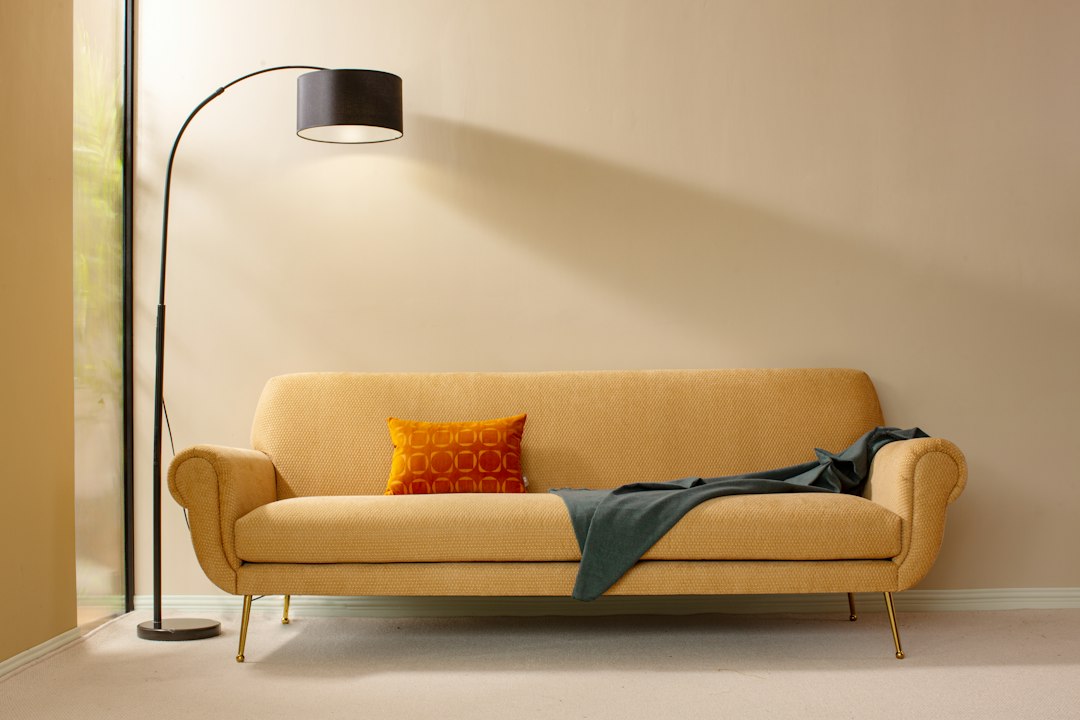
When picking out a bedside floor lamp, the biggest mistake people make is not considering its primary function and how it fits into their routine. Many choose based purely on aesthetics, only to find the light isn’t right for reading, the switch is awkward, or it simply doesn’t suit the limited space by their bed. The key is to think about how you’ll use it before you buy it, prioritizing practical considerations like adjustable light, ease of use, and footprint over just its looks.
Ignoring Light Direction and Focus
One of the most common pitfalls is selecting a lamp that doesn’t direct light where you actually need it. A bedside lamp isn’t just for general illumination; it’s typically for tasks like reading, getting ready for bed, or perhaps navigating the room without disturbing a partner.
Opting for Upward or Purely Ambient Lighting
Many floor lamps are designed to cast light upwards or generally diffuse it around the room. While this can be lovely for general ambiance in a living room, it’s often counterproductive next to a bed. An upward-pointing lamp will illuminate your ceiling more than your book, creating shadows and glare on your page. Similarly, a lamp that casts a wide, unfocused glow might brighten the entire room too much, which can disrupt sleep patterns for you or anyone sharing the bed. The goal here is usually a concentrated beam, not a broad wash of light. Think about lamps with shades that direct light downwards or those with articulated heads.
Forgetting Adjustable Heads and Arms
A fixed-head lamp can be incredibly limiting. Your reading position might change, or you might want to adjust the light to avoid glare on a tablet screen. Without an adjustable head or arm, you’re stuck with one angle, which might be perfect sometimes and completely useless at others. Lamps with goosenecks, swing arms, or multi-directional shades offer the flexibility to precisely position the light. This is crucial for comfortable reading, as it allows you to angle the light directly onto your reading material without straining your eyes or illuminating too much of the surrounding area. It also helps in situations where you might be sitting up or lying down at different angles.
Neglecting Beam Spread and Intensity for Tasks
The type of bulb and the design of the lamp’s shade determine the beam spread and intensity. A floodlight-style bulb in an open shade might be too harsh and wide for reading, causing light spill. Conversely, a very narrow, intense spotlight might create too much contrast on your page. Look for lamps designed to produce a focused, yet soft, beam. This often involves a shade that funnels the light effectively. Consider the lumens (brightness) of the bulb – you want enough light to read comfortably without it being blinding. Dimmable options are a great way to manage intensity for various tasks or moods.
Underestimating the Importance of User-Friendly Controls
A beautiful lamp that’s a pain to turn on and off is a mistake you’ll regret every night. The controls need to be intuitive and accessible from your bed.
Choosing Inconvenient Switch Locations
Imagine reaching across your bed, fumbling in the dark, or having to stand up just to turn off your lamp. This is a common frustration. Many floor lamps have their switches on the cord, which might be tangled behind a nightstand or hidden by the bed skirt. Others have foot switches, which are great for living rooms but impractical when you’re already tucked in. For a bedside lamp, the switch needs to be easily reachable from your sleeping or sitting position.
Overlooking Push-Button, Pull-Chain, or Rotary Switches
The best bedside lamps often feature switches integrated directly into the lamp post, head, or a clearly marked part of the base. Pull-chains are classic and easy to locate by feel. Push-button switches are straightforward. Rotary dimmers offer excellent control over brightness. Touch-sensitive lamps are also a convenient modern option, allowing you to tap the lamp to cycle through settings. Test out the switch mechanism in the store if possible, or at least visualize its accessibility from your bed.
Forgetting About Dimmable Options and Smart Home Integration
A bedside lamp that’s just “on” or “off” misses a huge opportunity for personalization. Sometimes you need bright light for reading, other times just a soft glow to help you wind down. A dimmable lamp, especially one with a smooth rotary dimmer, is invaluable. For those embracing smart home technology, integrating your bedside lamp allows for voice control or scheduling, which can be incredibly convenient. Imagine saying “Goodnight” and having your lamp gently fade out. This level of control enhances comfort and usability significantly.
Misjudging Size and Footprint in a Limited Space
Bedroom space, especially around the bed, is often at a premium. A common mistake is buying a lamp that’s too bulky or tall, creating clutter and tripping hazards.
Selecting Lamps That Are Too Tall or Too Wide
A lamp that’s too tall might shine light directly into your eyes when you’re lying down, or simply look out of proportion with your headboard and nightstand. The ideal height often places the light source just above your shoulder when you’re sitting up in bed, or at least at a height that doesn’t cause glare. Similarly, a lamp with a very wide shade or a broad base can quickly overwhelm a small bedside area. You need enough room for your nightstand, a book, a water glass, and not have the lamp feel like it’s encroaching on your personal space.
Ignoring the Base and Cord Management
The lamp’s base is critical. A wide, bulky base can take up valuable floor space that might be needed for a nightstand or to allow for clear walking paths. A heavy, stable base is important to prevent tipping, but it shouldn’t be a hindrance. Consider the shape of the base – a flat, rectangular base might tuck better against a wall or under a nightstand than a round, wide one. Cord management is also key. A long, sprawling cord can be a tripping hazard or simply look untidy. Look for lamps with thoughtful cord routing or be prepared to secure the cord safely.
Forgetting About Clearance and Nightstand Compatibility
Before you buy, measure the available space next to your bed. How much width do you have between the bed and the wall or other furniture? How much depth does your nightstand offer? Will the lamp’s base fit comfortably without pushing your nightstand too far out? Does the lamp’s shade clear your headboard or other furniture? You need to ensure there’s enough room to walk around the bed comfortably, and that the lamp won’t knock into anything or feel cramped. Sometimes, a slim-profile lamp, or one with a smaller shade, is the only practical solution.
Overlooking Bulb Type and Color Temperature
The bulb you put in your lamp is just as important as the lamp itself, dictating the quality of light and your comfort. This is often an afterthought, leading to an unsatisfactory lighting experience.
Choosing the Wrong Color Temperature (Kelvin)
The “color” of light is measured in Kelvin (K). Many people mistakenly grab whatever bulb is available, only to find the light is too stark or too yellow. For a bedside lamp, you generally want something in the warmer spectrum, which is more conducive to relaxation and sleep.
- 2700K – 3000K (Warm White/Soft White): This range is ideal for bedrooms. It mimics the warm glow of incandescent bulbs, promoting a cozy and relaxed atmosphere. It’s gentle on the eyes and less likely to disrupt your sleep cycle.
- 3500K – 4000K (Neutral White/Cool White): While suitable for task lighting in an office or kitchen, this can feel too bright and stimulating for a bedroom. It might make it harder to wind down before bed.
- 5000K+ (Daylight): Definitely too harsh and blue-toned for a bedside lamp. This color temperature is meant to simulate natural daylight and is best for areas where you need high alertness and accurate color rendering, like a workshop or studio.
Using a bulb with too high a Kelvin can actually suppress melatonin production, making it harder to fall asleep.
Forgetting About Lumens (Brightness) and Wattage Equivalents
Lumens measure the actual brightness of a bulb, while wattage (for incandescent) is about energy consumption. With LED bulbs, you need to pay attention to lumens. For reading, you’ll want enough brightness to avoid eye strain, but not so much that it’s glaring. A good starting point for a bedside reading lamp is often in the 400-800 lumen range (which is roughly equivalent to a 40-60 watt incandescent bulb). However, this can vary based on individual preference and the lamp’s shade design.
If the lamp is primarily for ambient light or a nightlight, lower lumens are perfectly fine. If you opt for a dimmable lamp, then a bulb on the higher end of the recommended lumen range, coupled with dimming capabilities, offers the most versatility. Don’t just grab the cheapest bulb; consider what you need for comfortable use.
Ignoring Bulb Type Compatibility and Energy Efficiency
Not all lamps can take all types of bulbs. Check the lamp’s specifications for the maximum wattage and recommended bulb type (e.g., E26 base, E12 base, GU10, etc.).
- LED (Light Emitting Diode): This is generally the best choice for bedside lamps. LEDs are incredibly energy-efficient, long-lasting, and produce very little heat. Many are dimmable, though you’ll need to ensure both the bulb and the lamp’s dimmer switch are compatible (look for “dimmable LED” on the bulb packaging).
- CFL (Compact Fluorescent Lamp): While energy-efficient, CFLs often have a warm-up time to reach full brightness, which can be annoying for a bedside lamp. Their light quality can also be less desirable for relaxing environments.
- Incandescent/Halogen: These produce warm, pleasing light but are very inefficient, generate a lot of heat, and have a short lifespan. They are generally being phased out due to energy regulations.
Opting for an LED bulb, especially a dimmable one with the right color temperature and lumen output, will save you money on energy bills, reduce bulb replacement frequency, and provide the best lighting experience for your bedroom.
Neglecting Style and Aesthetic Integration
While functionality is paramount, the lamp still needs to complement your bedroom’s overall aesthetic. A functional lamp that sticks out like a sore thumb can detract from the relaxing atmosphere you’re trying to create.
Prioritizing Function Over Form Entirely
It’s easy to get so caught up in the practicalities that you end up with a lamp that’s incredibly effective but visually jarring. An industrial-looking lamp might be great for precise task lighting, but if your bedroom is a serene, rustic haven, it will disrupt the mood. The goal is to find a lamp that both works well and looks good. Think about the materials, finishes, and lines of the lamp. Does it align with the existing furniture and decor?
Choosing a Style That Clashes with Bedroom Decor
Your bedroom likely has a dominant style – modern, traditional, minimalist, bohemian, farmhouse, etc. The lamp should ideally echo or complement this style.
- Modern/Minimalist: Look for clean lines, simple shapes, and materials like brushed metal, matte black, or geometric designs.
- Traditional: Lamps with classic profiles, fabric shades, perhaps a bronze or brass finish, or ornate detailing would fit.
- Bohemian/Eclectic: Consider natural materials like rattan, wood, or lamps with unique, handcrafted elements.
- Farmhouse/Rustic: Wood accents, distressed finishes, or simple metal designs might be appropriate.
A lamp that clashes can make the room feel disjointed and less calming. Take photos of your bedroom (especially the area around the bed) when you go shopping, or browse online with your room’s aesthetic in mind.
Forgetting About Material and Finish Compatibility
The materials and finishes of the lamp should also work with the existing elements in your bedroom. If your nightstands are dark wood, a bright chrome lamp might look out of place. If you have a lot of soft textiles, a harsh metal lamp might feel too cold.
- Metal Finishes: Match or complement existing hardware (drawer pulls, curtain rods, bed frame). Common finishes include brushed nickel, brass, bronze, matte black, or chrome.
- Shade Material: Fabric shades (linen, cotton, silk) soften the light and add warmth. Metal shades can give a more industrial or modern feel. Glass shades can be elegant but might produce a harsher light depending on their opacity.
- Base Material: Wood, ceramic, marble, or various metals. These should coordinate with your furniture and overall material palette.
A well-chosen lamp enhances the room’s design, creating a cohesive and inviting atmosphere. It’s the final touch that makes the space feel complete and genuinely tailored to your needs and taste.