
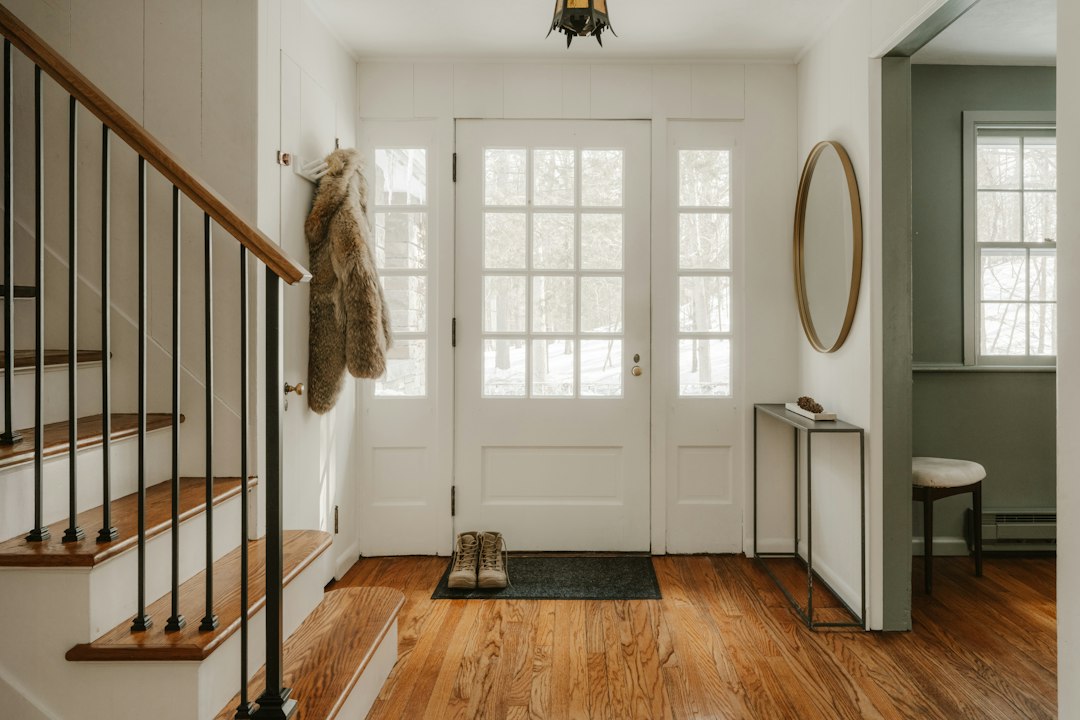
Cloud-shaped pendant lights can indeed brighten your entryway, adding a unique blend of whimsy and modern design. They offer a soft, diffused light that’s welcoming without being harsh, making them a fantastic choice for the first space guests encounter. This specific style of lighting isn’t just about illumination; it’s a decorative statement that can elevate the entire aesthetic of your home’s entrance, providing a focal point that’s both eye-catching and functional.
Why a Cloud Pendant for Your Entryway?
Choosing a cloud-shaped pendant light for your entryway goes beyond simple illumination; it’s a deliberate design choice that offers several benefits specific to this transitional space. The entryway is the first impression of your home, and the right lighting can set the tone for the entire interior.
Setting the Mood and Atmosphere
A cloud pendant light inherently brings a certain softness and playfulness to a space. Unlike stark, directional lighting, the diffused glow from a cloud fixture creates a welcoming and cozy atmosphere. This is particularly effective in an entryway, where you want to invite people in and make them feel comfortable immediately. The organic, often irregular shape breaks away from traditional geometric fixtures, adding an element of surprise and visual interest right at the threshold. It can transform a utilitarian space into something more enchanting and less formal, signaling that your home is a place of comfort and personality.
Balancing Aesthetics and Functionality
While highly decorative, these lights are also functional. Many cloud pendants are designed to disperse light evenly, reducing harsh shadows and providing adequate illumination for tasks like finding keys, taking off shoes, or greeting guests. The material, often a translucent or semi-transparent fabric or acrylic, allows light to filter through gently, preventing glare that can be common with open-bulb fixtures. This balance means you don’t sacrifice practicality for style. They can effectively illuminate the entire entryway area without overwhelming it, striking a perfect equilibrium for a high-traffic yet often smaller space.
Making a Unique Design Statement
In an era where many homes lean towards minimalist or traditional design, a cloud-shaped pendant light offers an opportunity for a distinctive statement. It speaks to a homeowner who appreciates art, imagination, and a touch of the unexpected. This isn’t a standard, off-the-shelf fixture; it’s a piece that evokes curiosity and admiration. It can serve as a conversation starter, reflecting your individual style and adding an element of wonder to an otherwise utilitarian space. For entryways that might lack architectural interest, a cloud pendant can become the focal point, drawing the eye upwards and adding vertical dimension.
Selecting the Right Cloud Pendant Light
Once you’re sold on the idea, the next step is navigating the options available. “Cloud-shaped” can encompass a surprising range of styles, materials, and sizes. Getting it right involves considering your entryway’s specifics and your overall home decor.
Size and Scale Considerations
The size of your entryway is paramount. A massive cloud fixture in a tiny foyer will overwhelm the space, making it feel cramped and unbalanced. Conversely, a small pendant in a grand, double-height entryway will look insignificant and fail to provide adequate lighting or visual impact.
- Height of Ceiling: For standard 8-foot ceilings, you’ll need a fixture that doesn’t hang too low, obstructing pathways or creating a sense of claustrophobia. A good rule of thumb is that the bottom of the fixture should be at least 7 feet from the floor. If your entryway is particularly grand with high ceilings, you have more flexibility for larger, more voluminous cloud pendants that can fill the vertical space without overwhelming the horizontal.
- Footprint of Entryway: Measure the width and length of your entryway. A common guideline for determining pendant width is to add the length and width of the room in feet, and use that number as the ideal diameter in inches. For example, a 10-foot by 12-foot entryway would suggest a fixture around 22 inches in diameter. This isn’t a strict rule but a good starting point. For cloud shapes, which are often irregular, consider their overall ‘volume’ or ‘presence’ rather than just a precise diameter.
- Door Clearance: Ensure the fixture doesn’t impede the swing of the front door or any adjacent closet doors. This is a practical, often overlooked, consideration that can cause daily frustration if not addressed.
Material and Finish Options
The material and finish of your cloud pendant will significantly influence its aesthetic and how it diffuses light.
- Acrylic/Polycarbonate: These are popular choices for a modern, often more structured cloud look. They are lightweight, durable, and can be molded into various organic shapes. The light diffusion is usually very even and soft. Some might have a slightly translucent, milky appearance, while others are more opaque, allowing light to emanate from specific openings.
- Fabric/Fiberglass: For a softer, more ethereal look, fabric-covered or fiberglass-resin clouds are excellent. These often mimic the organic, billowy nature of real clouds more closely. The light diffusion is incredibly gentle and warm. However, fabric can be more prone to dust accumulation and might require more delicate cleaning. Fiberglass resin can be more rigid and durable, often creating a slightly more abstract cloud form.
- Metal (Skeletal/Wireframe): While less common for a full “cloud” effect, some designs use a metallic wireframe or skeletal structure that, when combined with internal light sources, gives the impression of a cloud. These are typically more industrial or minimalist in style and allow for more direct light projection while still referencing the cloud shape.
- Color: Most cloud pendants are white or off-white to truly mimic natural clouds. This color choice also maximizes light reflection and diffusion, contributing to a bright and airy feel. However, some artistic variations might incorporate subtle tints or even be fully colored, becoming more of a sculptural art piece than a purely functional light.
Lighting Technology and Features
Modern lighting offers more than just an on/off switch. Consider these aspects for maximum utility and atmosphere.
- LED Integration: Many cloud pendants now come with integrated LED modules. This is highly efficient, long-lasting, and often allows for a slimmer, more minimalist design as there’s no need for bulky bulbs. Integrated LEDs can also offer tunable white light (changing from warm to cool tones) or even RGB color options, controllable via remote or smart home systems.
- Dimmer Compatibility: An absolute must for an entryway. Being able to dim the light allows you to adjust the ambiance from bright and welcoming during the day to soft and subtle in the evening or when entertaining. Ensure both the fixture and your wall switch are dimmer-compatible.
- Color Temperature (Kelvin): The “warmth” or “coolness” of the light is measured in Kelvin (K).
- 2700K-3000K (Warm White): Creates a cozy, inviting atmosphere, similar to incandescent bulbs. Ideal for a relaxed entryway.
- 3500K-4000K (Neutral White): A good all-around choice that’s bright and clear without being overly warm or cool. Good for visibility without being clinical.
- 5000K+ (Cool White/Daylight): Brighter, more clinical light, often used in task-oriented areas. Generally less suitable for an entryway unless specifically aiming for a very crisp, modern, almost gallery-like feel.
- Smart Home Integration: If you have a smart home system (Google Home, Alexa, Apple HomeKit), look for pendants that can be integrated. This allows for voice control, scheduling, and remote access, adding a layer of convenience.
Installation and Placement Best Practices
Proper installation isn’t just about getting the light to work; it’s about optimizing its impact and ensuring safety. While professional installation is often recommended for ceiling fixtures, especially heavy ones, understanding the basics helps you plan effectively.
Mounting Height and Clearance
This is critical for both aesthetics and functionality. As mentioned, a minimum of 7 feet from the floor to the bottom of the fixture is a good starting point for standard 8-foot ceilings. If your entryway features a console table or bench directly beneath the light, ensure there’s enough clearance so that people don’t bump their heads when getting up or leaning forward. For higher ceilings, the pendant can hang lower, typically 30-36 inches above a surface it’s illuminating, or simply to fill the vertical space without being in the way of pedestrian traffic. The aim is to create an inviting glow that illuminates the space, not to create an obstacle course.
Centering and Alignment
Unless you’re intentionally going for an asymmetrical look, the pendant light should be centered within the entryway space. If your entryway has a defined rug, a console table, or a bench, consider centering the light over that element. This creates visual balance and harmony. For long, narrow entryways, a single, impactful cloud pendant might still work best, or you could consider a series of smaller, complementary cloud fixtures spaced evenly to guide the eye down the hall, though this moves away from a single focal point. Use a measuring tape to find the true center of the ceiling and mark it before installation.
Electrical Considerations
Before any installation, always turn off the power to the circuit at your main breaker panel.
- Existing Wiring: Most entryways will already have an existing electrical box for a ceiling fixture. Ensure this box is securely mounted and capable of supporting the weight of your new cloud pendant. Heavy fixtures might require a fan-rated or specially reinforced electrical box.
- Switch Location: Consider the convenience of your light switch. Is it easily accessible upon entering the home? If you’re undertaking a renovation, this is an opportunity to add a dimmer switch, which is highly recommended for entryway lighting, as it allows you to adjust the ambiance.
- Professional Installation: For larger, heavier, or more complex cloud pendants (especially those with integrated smart features), hiring a licensed electrician is always the safest and most reliable option. They ensure proper wiring, secure mounting, and compliance with local electrical codes, preventing potential fire hazards or damage.
Complementary Decor for a Cloud Theme
A cloud pendant light is a strong statement piece, but its impact can be amplified by thoughtful complementary decor. You don’t need to go overboard with a full “cloud” theme, but subtle nods can create a cohesive and inviting entryway.
Soft Textures and Natural Elements
To enhance the ethereal, dreamy quality of a cloud light, incorporate soft textures and natural elements.
- Rugs: A plush, light-colored rug (white, cream, light grey, or even a very pale blue) can mimic the softness underfoot and visually tie into the cloud theme above. Look for shaggy, high-pile, or wool rugs that offer a comforting texture.
- Fabrics: Consider sheer curtains on any nearby windows, or a upholstered bench in a soft, natural fabric like linen or cotton in muted tones. These textures contribute to an overall gentle and welcoming feel.
- Wood Accents: Natural wood elements, like a simple console table or a decorative wooden bowl, introduce warmth and groundedness, balancing the lightness of the cloud. Avoid overly ornate or dark wood pieces that might feel too heavy.
- Greenery: A few well-placed plants can add life and natural organic shapes that complement the cloud. Consider plants with soft, flowing leaves rather than sharp, spiky ones. A small potted plant on a console table or a trailing plant from a wall shelf can work wonders.
Reflective Surfaces and Light Colors
To maximize the light from your cloud pendant and enhance the bright, airy feel, strategic use of reflective surfaces and light colors is key.
- Mirrors: A well-placed mirror is a fantastic addition to any entryway. It not only allows for a quick last-minute check before heading out but also reflects light, making the space feel larger and brighter. A mirror with a simple, light-colored frame or even a frameless mirror would be ideal. Position it to reflect the light from your cloud pendant.
- Light Wall Colors: White, off-white, very light grey, or pale blue wall colors will bounce light around the entryway, enhancing the brightness and the overall airy atmosphere. Darker colors will absorb light, making the space feel smaller and potentially dimming the effect of your pendant.
- Minimalist Furniture: Opt for sleek, minimalist furniture in light finishes. A white or light wood console table, a simple bench, or floating shelves will keep the space uncluttered and contribute to an open, spacious feel. Avoid heavy, bulky pieces that can visually weigh down the entryway.
Subtle Nods and Artistic Touches
You don’t need cloud-shaped everything, but a few subtle artistic touches can reinforce the theme without being overwhelming.
- Abstract Art: Consider a piece of abstract art with soft, flowing lines or colors that evoke sky, water, or gentle movement. Avoid literal cloud paintings unless it’s a very abstract interpretation.
- Ceramics: Handmade pottery or ceramic pieces with organic, rounded forms can echo the natural, fluid shapes of clouds. These can be placed on a console table or shelf.
- Sculptural Elements: A small, delicate sculpture that has an airy or flowing quality can also tie into the theme. Think about pieces that evoke movement or lightness.
- Books and Objects: If you have books or decorative objects on display, choose ones with soft colors, natural themes, or a connection to nature and the sky.
The goal is to create a harmonious environment where the cloud pendant feels like a natural, integral part of the space, rather than an isolated, quirky element.
Maintenance and Longevity
While cloud-shaped pendant lights bring beauty and whimsy, like any lighting fixture, they require some care to maintain their appearance and ensure longevity. Regular, gentle maintenance will keep your entryway looking its best.
Regular Cleaning
The type of material will dictate the best cleaning method. Dust is the most common culprit for dimming light output and making any fixture look less appealing.
- For Fabric/Fiberglass: These materials, especially if they have a textured or fibrous surface, can attract dust. A soft, dry microfiber cloth or a feather duster is usually sufficient for weekly or bi-weekly dusting. For more ingrained dust, a soft brush attachment on a vacuum cleaner can gently remove particles. If there are any specific stains (though less likely in an entryway unless something splatters), consult the manufacturer’s cleaning instructions. Some may be spot-cleaned with a very mild, diluted detergent and a damp cloth, but always test in an inconspicuous area first. Avoid harsh chemicals or excessive moisture, which can damage the material or leave water spots.
- For Acrylic/Polycarbonate: These smoother, often more durable surfaces are easier to clean. A dry or slightly damp microfiber cloth can effectively wipe away dust and fingerprints. For stickier grime, a very mild soap solution (like a drop of dish soap in warm water) applied with a soft cloth, followed by a wipe with a clean, damp cloth and then a dry one, works well. Avoid ammonia-based cleaners (like window cleaner) as they can cause acrylic to yellow or become cloudy over time. A specialized acrylic cleaner can also be used for tougher spots and to reduce static cling, which often attracts dust.
- General Tip: Always turn off the light and allow it to cool completely before cleaning to prevent burns and for safety. If the fixture is high, use a stable ladder.
Bulb Replacement (If Applicable)
If your cloud pendant uses replaceable bulbs (rather than integrated LEDs), understanding the type and proper replacement procedure is important.
- Bulb Type: Ensure you use the correct bulb type (e.g., E26, E12, G9) and wattage specified by the manufacturer. Using a higher wattage than recommended can lead to overheating and damage to the fixture or even fire.
- LED Preference: Even if your fixture originally came with incandescent or CFL bulbs, consider replacing them with LED equivalents. LEDs are significantly more energy-efficient, last much longer (reducing replacement frequency), and generate less heat. They also often offer dimmable options, which are great for entryway ambiance.
- Safe Replacement: Always turn off the power at the breaker before replacing bulbs. Allow old bulbs to cool down before handling. Use a dry cloth or gloves when handling new halogen or some LED bulbs, as oils from your skin can reduce their lifespan.
Addressing Yellowing or Discoloration
Over time, especially with exposure to sunlight or certain types of light bulbs, some materials (particularly certain plastics or fabrics) can yellow or discolor.
- Sunlight Exposure: If your entryway receives direct, strong sunlight, this can accelerate yellowing in some plastics. While often unavoidable, knowing this can influence your material choice during selection.
- Bulb Type: Older incandescent bulbs produce a lot of heat and UV radiation, which can contribute to material degradation and yellowing. Switching to cooler-running LED bulbs can mitigate this.
- Cleaning Products: As mentioned, harsh or incorrect cleaning products can also cause damage or discoloration. Stick to manufacturer recommendations or very mild, appropriate solutions.
- Prevention vs. Cure: Unfortunately, significant yellowing is often irreversible. The best approach is prevention through careful material selection, proper bulb choice, and gentle cleaning from the outset.
By dedicating a little time to care, your cloud-shaped pendant light will continue to be a bright, welcoming focal point in your entryway for years to come.