
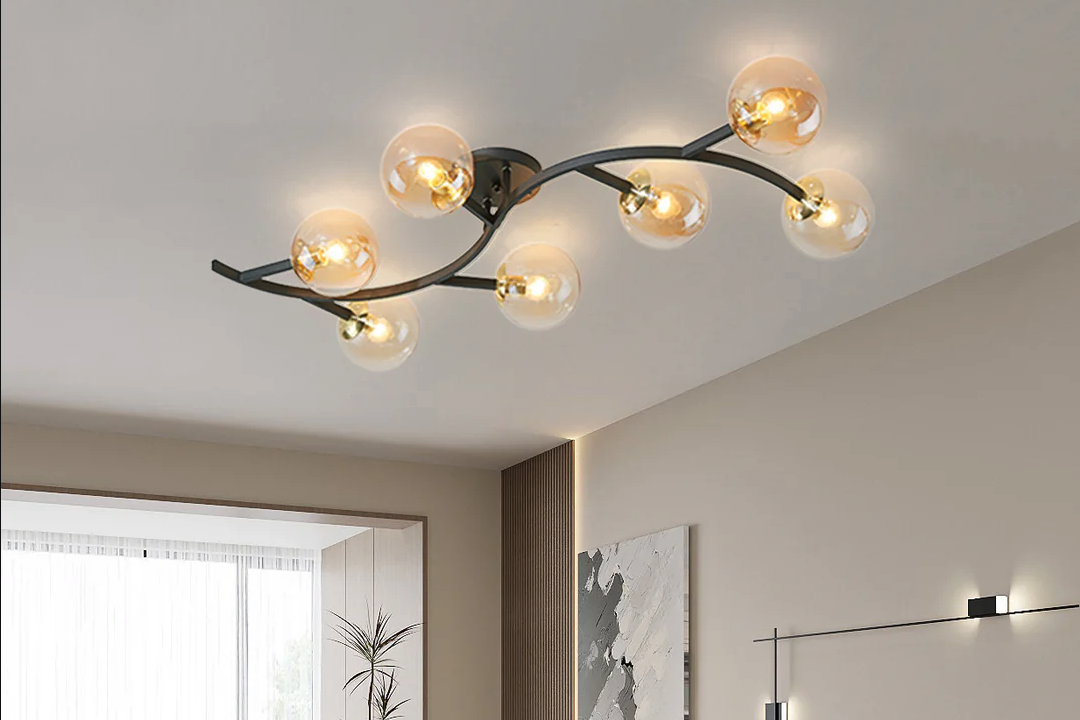
You’re looking to light up your Nordic-style dining room, and you’ve heard about these “magic bean” ceiling lamps with multiple heads. Good news: they’re an excellent choice for achieving that clean, functional, and aesthetically pleasing look synonymous with Nordic design. These lamps, often featuring several light sources branching off a central point or linear element, offer superb light distribution and a touch of modern artistry without being overly ornate. They tick the boxes for both form and function, which is exactly what Nordic style prioritizes.
So, why are these particular lamps Mosundesign such a good fit for your Nordic dining space? It comes down to a few core principles of the style: functionality, simplicity, and natural elements.
The Focus on Functionality
Nordic design isn’t just about looking good; it’s about things working well. A multi-head lamp provides ample light for your dining area, which is crucial for everything from family dinners to board game nights.
Even Illumination for the Table
Unlike a single pendant that might create a hot spot of light directly below it, a multi-head design spreads the light more evenly across your dining table. This prevents harsh shadows and ensures everyone at the table has good visibility. No more squinting to see your food or the person across from you!
Dimmable Options for Ambiance
Many of these lamps come with dimmable capabilities. This is a game-changer for creating different moods. Bright for homework, softer for a romantic dinner, or just enough glow for a late-night chat – the versatility is key to a truly functional space.
Embracing Simplicity and Clean Lines
Nordic aesthetics champion simplicity. “Less is more” is often the mantra. These lamps, while having multiple “heads,” manage to maintain a refined and uncluttered appearance.
Minimalist Form, Maximum Impact
The “magic bean” moniker often comes from the way the light sources, or “beans,” are arranged – often in organic, slightly playful patterns, but always with clean lines and without excessive ornamentation. This keeps the visual noise to a minimum while still being an interesting focal point.
Integration with Existing Decor
Because of their simple design, these lamps integrate seamlessly into a variety of Nordic variations, from more rustic cabin styles to ultra-modern apartments. They don’t fight for attention with your minimalist furniture or natural wood elements; they complement them.
Natural Elements and Organic Shapes
While not always featuring natural materials in the strict sense, the inspiration for these “magic bean” designs often comes from organic forms found in nature, aligning perfectly with Nordic design’s connection to the outdoors.
Softening the Edges
In a room that often features sharp angles from tables and chairs, the rounded “bean” elements and the branching nature of the lamp can introduce a welcome softness and fluidity, breaking up any potential rigidity.
Reflecting Nature’s Design
Think of branches on a tree or clusters of berries – the arrangement of multiple light sources can subtly echo these natural patterns, bringing a touch of the outdoors in without being overtly themed.
Choosing Your Multi-Head Magic Bean Lamp: Key Considerations
With so many options out there, how do you pick the right “magic bean” lamp for your dining room? It’s about more than just looks; practicality plays a big role.
Size and Scale: Don’t Overwhelm the Space
This is perhaps the most critical factor. An oversized lamp will dominate and shrink your dining area, while one that’s too small will look lost and won’t provide adequate light.
Measuring Your Dining Table
As a general rule, the diameter of your chandelier or pendant should be approximately half to two-thirds the width of your dining table. For a rectangular table, ensure the length of the fixture is not longer than two-thirds the table’s length. This helps create a balanced look.
Ceiling Height Matters
If you have low ceilings, a flush-mount or semi-flush-mount multi-head fixture might be better than a long pendant. Conversely, high ceilings can accommodate more dramatic, longer drops. You want to avoid any head bumping!
Room Dimensions Too
Consider the overall dimensions of your dining room, not just the table. A very large room might benefit from a more expansive fixture, while a compact space needs something more contained.
Materials and Finishes: A Nod to Nordic Aesthetics
The materials and finishes of your lamp play a significant role in its overall look and how it harmonizes with the rest of your Nordic decor.
Matte Black and White for Modernity
Matte black or white finishes are quintessential Nordic. They offer a clean, crisp, and contemporary look that pairs well with light wood tones and minimalist furniture. These are safe, stylish bets.
Brushed Brass or Copper for Warmth
If you want to add a touch of warmth and subtle sophistication without veering into overly opulent territory, brushed brass or copper can be excellent choices. These metallic accents add visual interest and a hint of luxury while still maintaining a modern aesthetic.
Minimalist Metals and Glass
Look for fixtures that primarily use simple metals (like steel or aluminum) for the structure and clear or frosted glass for the “beans” or shades. This combination keeps the design light and airy, avoiding heaviness.
Light Temperature and Brightness: Setting the Mood
The type of light your lamp emits is just as important as its design. This is where you really define the atmosphere of your dining room.
Warm White (2700K-3000K) for Coziness
For a dining room, warm white light is almost always preferred. It creates a cozy, inviting, and intimate atmosphere, perfect for meals and social gatherings. Avoid anything above 4000K, which tends to be too cool and office-like for a home dining space.
Dimmable Bulbs: Your Best Friend
Invest in dimmable bulbs and a compatible dimmer switch. The ability to adjust the light intensity is invaluable for transitioning from a bright workspace to a low-lit dinner party setting.
Lumens for Practicality
Don’t just think about wattage; consider lumens. A dining room generally needs around 3000-6000 lumens in total for sufficient ambient light, but this can vary depending on room size and other light sources (like natural light or wall sconces). For a multi-head lamp, this means the combined lumen output of all the bulbs.
Installation and Placement: Getting it Just Right
Even the most beautiful lamp won’t look good if it’s hung incorrectly. Proper installation and thoughtful placement are key.
The Ideal Hanging Height
This is where many people go wrong. The general rule for a fixture above a dining table is that the bottom of the lamp should be about 30-36 inches (75-90 cm) above the tabletop.
Considering Line of Sight
This height ensures the lamp illuminates the table effectively without obstructing the view of those seated around it. You don’t want your guests having to crane their necks to talk to each other.
Adjusting for Ceiling Height
If you have very high ceilings, you might go slightly higher, but always prioritize visibility. For lower ceilings, stay at the lower end of the range.
Centering Your Lamp
It might seem obvious, but make sure your lamp is centered over your dining table, not necessarily in the room.
Aligning with the Table’s Center
Use the table as your primary reference point. If your table is movable, try to find its most common placement in the room and center the lamp there.
Dealing with Off-Center Junction Boxes
If your electrical junction box isn’t perfectly centered over your table, don’t despair. You can use a ceiling hook and swag chain to reposition the lamp appropriately, or consider a canopy kit that allows for off-center hanging.
Professional Installation for Safety
Unless you’re confident in your electrical skills, hiring a professional electrician for installation is always a wise choice.
Ensuring Secure Mounting
These multi-head fixtures can sometimes be heavier than a simple single pendant. A professional will ensure it’s securely mounted to a joist or with appropriate anchors.
Correct Wiring for Dimmers
If you’re installing a dimmer switch, proper wiring is essential for safety and optimal performance. An electrician will ensure everything is connected correctly.
Styling Your Nordic Dining Room Around the Lamp
Your multi-head “magic bean” lamp isn’t just a light source; it’s a design element. Here’s how to integrate it seamlessly into your Nordic dining room.
Harmony with Other Elements
The key to Nordic design is cohesion. Your lamp should feel like an organic part of the room, not an afterthought.
Matching Wood Tones (or Contrasting Delicately)
If your dining table is natural wood, consider a lamp with a matte black or white finish to provide a subtle contrast. If you have lighter woods or white furniture, a brushed brass lamp can add a lovely warm accent.
Echoing Geometric or Organic Shapes
Look at the other furniture in your room. If you have soft, rounded chairs, a lamp with more organic “beans” will feel right at home. If your furniture is very linear, a more geometrically structured multi-head lamp might be a better fit.
Minimalist Accessories & Decor
With a visually interesting lamp, you don’t need a lot of other decor to make a statement.
Understated Table Decor
A simple vase with fresh seasonal flowers, a single ceramic bowl, or a few candles are often all you need on your table. Let the lamp be a focal point.
Uncluttered Walls
Keep wall decor minimal. A large piece of abstract art, a simple mirror, or a couple of understated prints are usually enough. Avoid too many busy elements competing for attention.
Bringing in Natural Textures
Nordic style thrives on natural textures. Your lamp can be complemented by these elements.
Linen or Cotton Textiles
Think linen tablecloths (if you use one), simple napkins, or upholstered dining chairs in natural fibers. These soft textures contrast beautifully with the potentially sleek lines of the lamp.
Clay, Ceramics, and Stoneware
Your dinnerware and serving pieces can contribute to the overall aesthetic. Handcrafted pottery or simple, unglazed ceramics reinforce the natural, tactile feel of Nordic design.
Maintenance and Longevity: Keeping Your Light Bright
Even the most thoughtfully chosen lamp needs a little care to stay looking its best and last for years.
Regular Cleaning for Optimal Performance
Dust and grime can quickly dull the appearance of your lamp and even reduce its light output.
Gentle Dusting
Use a soft, dry microfiber cloth to regularly dust the lamp’s structure and any glass or metal shades. For intricate designs, a soft brush can help.
Wiping Down Shades (If Applicable)
If your lamp has glass shades, you might occasionally need to wipe them with a slightly damp cloth (using mild soap and water if necessary), followed by a dry cloth to prevent streaks. Always ensure the lamp is off and cool before cleaning.
Bulb Replacement: A Simple Task
One of the benefits of many multi-head lamps is that if one bulb goes out, you still have other light sources.
Matching Bulb Type and Wattage
When replacing bulbs, ensure you’re using the correct type (e.g., E26, G9, etc.) and that the wattage or lumen output matches the other bulbs for consistent light. LED bulbs are usually the best choice for energy efficiency and longevity.
Stocking Spares
It’s a good idea to keep a couple of spare bulbs on hand for those inevitable replacements. This saves you a frantic trip to the store when you least expect it.
Checking Connections (Periodically for Peace of Mind)
While not a frequent task, a quick visual check every now and then can’t hurt.
Loose Screws or Fittings
Over time, vibrations or slight shifting can sometimes loosen screws or fittings. A quick check of any exposed fasteners on the lamp’s structure ensures everything remains secure. If anything feels loose, gently tighten it.
Inspecting Wiring (Visually)
While you shouldn’t be messing with internal wiring unless you’re an electrician, a quick visual check for any obvious frayed wires or discolored insulation (unlikely in a ceiling fixture, but good practice) can be done from the ground. If you notice anything concerning, call a professional.
In conclusion, the ‘multi-head magic bean’ ceiling lamp is far more than just a light source for your Nordic-style dining room. It’s a statement piece that embodies the core principles of Nordic design: functionality, simplicity, and an appreciation for organic forms. By carefully considering its size, materials, light quality, and taking care with installation, you can create a dining space that is not only beautifully lit but also deeply inviting and effortlessly stylish. It’s a practical choice that offers real aesthetic dividends.