
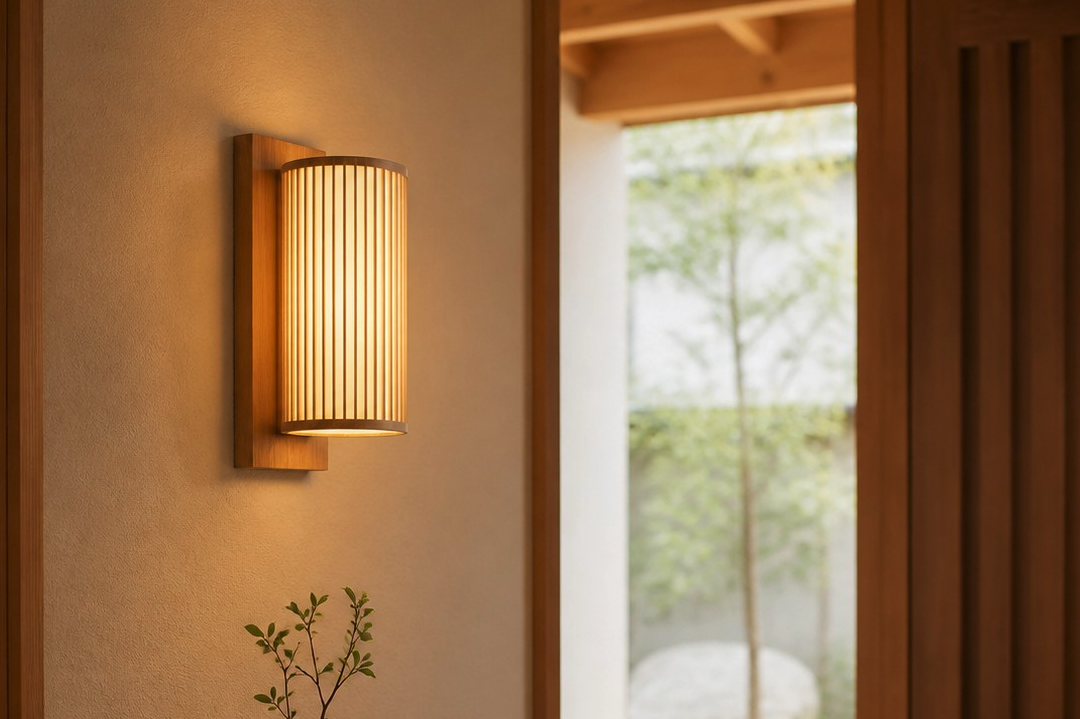
A Japanese wood entryway wall lamp isn’t just a light fixture; it’s a statement piece that immediately conveys a sense of calm and considered design. If you’re looking to add warmth, gentle illumination, and an element of refined natural beauty to your entry, this type of lamp is an excellent choice. It’s about more than just lighting a space; it’s about setting a mood and welcoming both residents and guests with understated elegance.
The entryway, often overlooked, is the first impression of your home. A well-chosen light here can transform it from a mere pass-through into a welcoming embrace. Japanese wood wall lamps jopoke, with their inherent aesthetic, offer several compelling reasons to choose them.
Cultivating a Welcoming Ambiance
Imagine stepping through your door after a long day. Instead of harsh overhead light, you’re greeted by a soft, diffused glow emanating from a beautifully crafted wooden fixture. This isn’t just light; it’s an atmosphere. Japanese design principles inherently lean towards creating tranquil, harmonious spaces, and their lighting reflects this.
Soft, Diffused Lighting
Unlike many modern fixtures that focus on bright, direct illumination, Japanese style often prioritizes a softer, more ambient light. This is achieved through natural materials like rice paper (washi), translucent fabric, or frosted glass panels, which diffuse the light beautifully, reducing glare and creating a comforting effect.
Highlighting Natural Materials
The warmth of natural wood, often left unstained or lightly finished to show its grain, instantly adds an organic touch. This connection to nature brings a sense of serenity and groundedness right into your home’s threshold.
Blending Function and Form
Good design merges utility with beauty, and Japanese wood wall lamps excel at this. They provide necessary illumination without sacrificing aesthetic appeal, becoming an integral part of your entryway’s decor.
Illuminating Key Areas
While providing overall ambient light, these lamps can also be strategically placed to highlight features like a console table, a piece of artwork, or even simply the path to the main living area.
Space-Saving Solution
Wall-mounted fixtures are ideal for entryways, especially smaller ones, as they don’t take up valuable floor space that might be needed for shoe storage, a coat rack, or simply moving around comfortably.
Understanding Japanese Aesthetic Principles in Lighting
To truly appreciate these lamps, it’s helpful to grasp the underlying Japanese design philosophies that inform their creation. This isn’t about strict adherence to tradition, but rather an understanding of the subtle nuances that make them so appealing.
Wabi-Sabi Influence
Wabi-sabi is a concept often associated with appreciating imperfection, impermanence, and incompleteness. In lighting, this might translate to the use of natural materials with visible textures and slight variations, or forms that aren’t perfectly symmetrical, embracing the unique character that time and nature impart.
Embracing Natural Imperfections
The grain of wood, the slight texture of washi paper – these aren’t flaws to be hidden, but rather elements that add depth and authenticity, making each lamp subtly unique.
Simplicity Over Ostentation
Wabi-sabi avoids excessive ornamentation. The beauty lies in the essential form, the quality of the materials, and the way light interacts with them.
Minimalism and Clean Lines
Japanese design is renowned for its minimalism, focusing on essential elements and clean lines. This translates to lighting fixtures that are often elegantly understated, avoiding unnecessary flourishes.
Uncluttered Design
The fixtures themselves tend to be simple geometric shapes – rectangles, squares, or gentle curves – that don’t overpower the space but rather complement it.
Functionality as Ornamentation
In many cases, the functional aspects of the lamp, such as the wood joinery or the way the light source is enclosed, become part of its visual appeal.
Connection to Nature
A deep reverence for nature is a cornerstone of Japanese culture and design. This is reflected in the pervasive use of natural materials and forms that evoke the outdoors.
Organic Materials
Wood, bamboo, rice paper, and natural fibers are staples, bringing a sense of the natural world indoors and contributing to a calming environment.
Earthy Tones
Colors tend to be muted and earthy – natural wood tones, whites, creams, soft grays, and the occasional deep charcoal or subtle green – creating a serene palette.
Types of Japanese Wood Entryway Wall Lamps
While they all share a common aesthetic, there’s a good variety within Japanese wood wall lamps, each offering a slightly different visual and atmospheric impact.
Shoji-Inspired Designs
Perhaps the most recognizable style, these lamps draw heavily from traditional shoji screens. They feature wooden frames (often in a lattice pattern) enclosing translucent panels, typically made of washi paper or a modern acrylic alternative.
Lattice Frameworks
The intricate or simple lattice patterns cast subtle shadows, adding visual interest and depth to the light. These can range from very open squares to more complex, geometric patterns.
Diffused Light Panels
The washi paper or similar material creates a very soft, even glow, ideal for a welcoming entryway. It filters the light, making it gentle on the eyes.
Solid Wood Blocks/Panels
These lamps prioritize the beauty of the wood itself. They might feature a solid block of wood carved to allow light to escape through strategic openings, or a simple wooden panel with a light source behind it, creating an uplight or downlight effect.
Emphasizing Wood Grain
The natural grain and texture of the wood become the primary visual element. Finishes are often minimal to let the wood’s inherent beauty shine through.
Sculptural Qualities
These fixtures often double as wall art, even when unlit, due to their strong, clean forms and the inherent beauty of the timber.
Bamboo Accented Lamps
While wood is central, bamboo is often incorporated, either as the primary frame or as decorative elements. Bamboo’s distinct texture and flexibility offer another layer of natural appeal.
Sustainable Material Choice
Bamboo is a highly renewable resource, aligning with eco-conscious design principles.
Unique Textural Elements
The distinct nodes and fibrous texture of bamboo add a different kind of visual interest and tactile quality compared to solid wood.
Nordic-Japanese (Japandi) Blended Styles
A popular contemporary fusion, Japandi combines the rustic comfort of Scandinavian design with the sleek minimalism of Japanese aesthetics. These lamps often feature lighter woods, simpler forms, and a focus on functionality and coziness.
Lighter Wood Tones
Think pale ash, birch, or light oak, contributing to an airy and brighter feel.
Functional Simplicity
Designs are straightforward and highly functional, often with a slightly more robust or “chunky” feel than purely traditional Japanese designs.
Choosing the Right Lamp for Your Entryway
With various styles and your specific entryway in mind, making an informed choice is key. Consider both the practical aspects and the aesthetic harmony.
Size and Scale
The lamp should be proportionate to your entryway. A small space can be overwhelmed by a large fixture, while a tiny lamp might get lost in a grander entry.
Wall Height and Width
Measure the available wall space. Does the lamp need to fit above a console, or can it extend further? Consider the ceiling height as well.
Proportionality to Furniture
If you have a console table or mirror, ensure the lamp’s size complements these pieces rather than competing with them.
Light Output and Direction
Consider how much light you actually need and where you want it to go. Entryways benefit from ambient light, but sometimes a concentrated beam can highlight a feature.
Ambient vs. Task Lighting
Most entryways primarily need ambient light for general visibility and warmth. However, if you have a spot where you frequently check your mail or keys, a slightly more focused light could be beneficial.
Up-lighting or Down-lighting
Some wall lamps direct light upwards, creating a soft glow that subtly illuminates the ceiling. Others direct it downwards, highlighting the wall below. Many provide diffused light in all directions.
Wood Type and Finish
The type of wood and its finish will significantly impact the lamp’s overall look and how it harmonizes with existing decor.
Matching Existing Woodwork
If you have wooden flooring, trim, or furniture in your entryway, consider a lamp with a similar wood tone to create a cohesive look.
Contrast for Impact
Alternatively, a contrasting wood type can create a beautiful focal point, especially if the rest of the entryway is more neutral.
Finishes (Matte, Satin, etc.)
Matte finishes typically align better with the natural, understated look of Japanese design, revealing more of the wood’s inherent texture.
Installation Considerations
Wall lamps sometimes require electrical wiring within the wall, which might necessitate professional installation.
Wired vs. Plug-In Options
Most wall sconces are designed to be hardwired directly into your home’s electrical system. However, some lamps are designed to plug into an outlet, offering more flexibility but often requiring a visible cord management solution.
Dimmer Compatibility
For optimal ambiance control, ensure the lamp (and its bulbs) are compatible with a dimmer switch. This allows you to adjust the brightness to suit different times of day or occasions.
Integrating the Lamp into Your Entryway Decor
A Japanese wood wall lamp won’t only provide light; it becomes a piece of your entryway’s overall narrative. Think about how it interacts with other elements.
Complementary Furniture and Decor
Consider elements like a simple, low console table, a discreet shoe rack, or a piece of natural art. These can enhance the lamp’s aesthetic.
Simple Console Tables
A minimalist wooden console table provides a practical surface for keys and mail without distracting from the lamp.
Natural Textures
Incorporate other natural textures like a jute rug, linen cushions, or a ceramic vase to reinforce the organic feel.
Color Palette Harmony
Stick to a subdued and natural color palette in your entryway to create a serene and harmonious space.
Muted Earth Tones
Think creams, soft grays, warm whites, and subtle greens or blues that mimic natural landscapes.
Avoiding Over-Stimulation
A Japanese-inspired entryway thrives on calm. Avoid overly bright colors or busy patterns that can feel jarring.
Thoughtful Arrangement of Elements
Each item in a Japanese-inspired space is deliberately placed. The lamp should feel like it belongs, not just stuck on.
Visual Balance
Consider asymmetrical arrangements (a principle often seen in Japanese gardens) for a dynamic yet balanced look. For example, two different-sized lamps, or a lamp paired with a carefully chosen object.
Negative Space
Don’t be afraid of empty space. It allows the eye to rest and emphasizes the beauty of the few, carefully selected items.
Maintenance and Care
To ensure your Japanese wood entryway wall lamp continues to be a beautiful and functional addition, a little care goes a long way.
Cleaning the Wood
Dust regularly with a soft, dry cloth. For deeper cleaning, a slightly damp cloth followed by immediate drying is usually sufficient. Avoid harsh chemicals that can strip the wood’s finish.
Protecting the Finish
If the wood is unfinished or lightly oiled, occasional re-oiling might be needed to maintain its luster and prevent drying out.
Cleaning Translucent Panels
If your lamp has washi paper or fabric panels, be very gentle. A soft brush or a dry cloth is best for dusting. Avoid water, which can damage washi. Acrylic panels can typically be wiped with a soft, damp cloth.
Replacing Bulbs
Always use the recommended bulb type and wattage. LED bulbs are an excellent choice for their energy efficiency and long lifespan, and many are now available in warmer color temperatures that mimic incandescent light.
Longevity Tips
Placing the lamp away from direct, harsh sunlight can prevent wood discoloration and drying. Also, avoid areas with extreme temperature fluctuations or high humidity.
In conclusion, a Japanese wood entryway wall lamp is far more than just a source of light. It’s an embodiment of thoughtful design, bringing together natural beauty, calming illumination, and a sense of welcome. By understanding the principles behind its creation and choosing a style that harmonizes with your home, you can transform your entryway into a truly inviting space. It’s a practical choice that doesn’t compromise on style, offering a daily dose of tranquility right at your doorstep.