
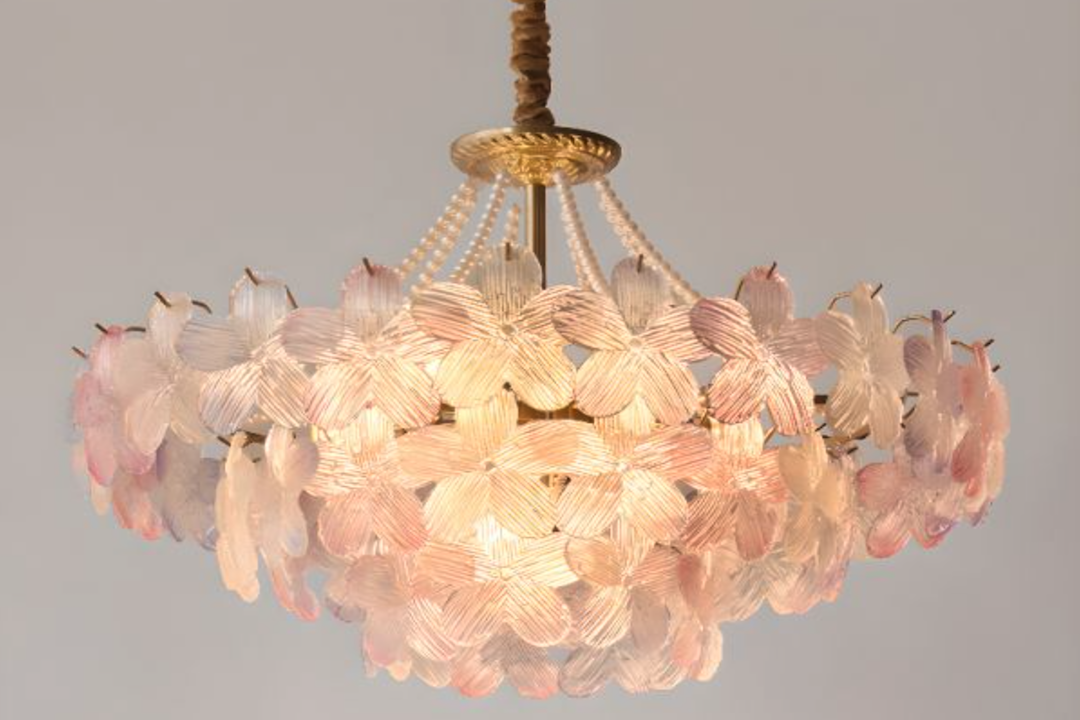
The history of French chandeliers is a fascinating journey that reflects the evolution of design, craftsmanship, and societal values throughout the centuries. Originating in the medieval period, chandeliers were initially simple wooden or wrought iron structures designed to hold candles. These early designs were functional, serving to illuminate dark spaces in castles and churches.
As the Renaissance unfolded in the 15th century, the aesthetic appeal of chandeliers began to take precedence alongside their utilitarian purpose. The introduction of glass, particularly crystal, marked a significant turning point in chandelier Zifoto design. The use of glass not only enhanced the beauty of these fixtures but also allowed for the manipulation of light in ways that were previously unimaginable.
By the time of the Baroque period in the 17th century, French chandeliers had evolved into opulent works of art. The Palace of Versailles, with its grand halls and lavish decor, became a symbol of this transformation. Chandeliers adorned with intricate crystal prisms and gilded metalwork became synonymous with luxury and sophistication.
Artisans in France began to experiment with various materials and techniques, leading to the creation of elaborate designs that showcased their skill and creativity. The French chandelier became a status symbol, often found in the homes of the aristocracy and wealthy merchants. This period laid the groundwork for what would become known as the French Petal Chandelier, a design that would encapsulate the elegance and artistry of French lighting.
The Design and Craftsmanship of the French Petal Chandelier
Delicate Petals, Exquisite Craftsmanship
The petals are typically crafted from high-quality materials such as crystal or hand-blown glass, which catch and refract light in mesmerizing ways. Artisans meticulously shape each petal to ensure that it not only contributes to the overall aesthetic but also enhances the chandelier’s functionality by distributing light evenly throughout the space.
A Timeless Creation Process
Craftsmanship plays a pivotal role in the creation of a French Petal Chandelier. Skilled artisans employ traditional techniques passed down through generations, ensuring that each piece is unique and imbued with character. The process often begins with the design phase, where sketches are made to conceptualize the final product. Once the design is approved, artisans select materials that align with both aesthetic and functional requirements.
A Masterpiece of Lighting
The assembly process involves intricate soldering and wiring, ensuring that each petal is securely attached while allowing for easy maintenance. This attention to detail is what sets French Petal Chandeliers apart from mass-produced lighting fixtures, making them not just sources of illumination but also works of art that tell a story.
How to Incorporate the French Petal Chandelier into Your Home Decor
Incorporating a French Petal Chandelier into your home decor can elevate your space from ordinary to extraordinary. One effective approach is to consider the scale and style of your room. In larger spaces such as dining rooms or grand entryways, a statement chandelier can serve as a focal point, drawing the eye upward and creating an atmosphere of elegance.
For smaller rooms, consider opting for a more modestly sized chandelier that complements existing decor without overwhelming the space. The key is to strike a balance between size and style, ensuring that the chandelier harmonizes with other elements in the room. Color schemes also play a crucial role in how well a French Petal Chandelier integrates into your home decor.
Many chandeliers come in various finishes, including gold, silver, or even painted options that can match or contrast with your existing color palette. For instance, a gold-finished chandelier can add warmth to a room with cool tones, while a crystal chandelier can enhance a space filled with rich jewel tones. Additionally, consider the surrounding decor—furniture styles, wall colors, and accessories should all work together to create a cohesive look.
By thoughtfully selecting where and how to place your chandelier, you can create an inviting atmosphere that showcases both your personal style and appreciation for fine craftsmanship.
The Versatility of the French Petal Chandelier
One of the most appealing aspects of the French Petal Chandelier is its versatility. While often associated with traditional or classic interiors, these chandeliers can seamlessly fit into various design styles, from modern minimalist spaces to rustic farmhouse aesthetics. In contemporary settings, a sleek French Petal Chandelier can serve as an unexpected yet striking contrast against clean lines and neutral palettes.
Its organic shapes can soften harsh angles and add an element of warmth to otherwise stark environments. Moreover, the adaptability of the French Petal Chandelier extends beyond style; it also encompasses functionality. Many modern iterations come equipped with adjustable lighting options, allowing homeowners to customize brightness levels according to their needs.
This feature makes them suitable for various settings—whether you’re hosting an elegant dinner party or enjoying a quiet evening at home. Additionally, these chandeliers can be used in unexpected places such as bathrooms or kitchens, where they can add a touch of glamour to everyday spaces. This versatility ensures that a French Petal Chandelier remains relevant across different trends and personal tastes.
The Timeless Appeal of the French Petal Chandelier
The timeless appeal of the French Petal Chandelier lies in its ability to transcend fleeting design trends while maintaining an air of sophistication and elegance. Unlike many contemporary lighting fixtures that may quickly fall out of favor, these chandeliers possess an enduring quality that makes them suitable for both historic homes and modern residences alike. Their organic shapes evoke natural beauty, reminiscent of blooming flowers or delicate leaves, which resonates with people across cultures and eras.
Furthermore, the craftsmanship involved in creating these chandeliers adds to their timelessness. Each piece is often handcrafted by skilled artisans who pour their expertise into every detail, ensuring that it stands as a testament to quality over quantity. This dedication to artistry means that even as styles evolve, a well-crafted French Petal Chandelier will continue to be appreciated for its beauty and craftsmanship for generations to come.
It becomes not just a lighting fixture but an heirloom piece that carries stories and memories through time.
Maintenance and Care for Your French Petal Chandelier
Cleaning Your Chandelier
To clean your chandelier effectively, it’s advisable to turn off the power supply first for safety reasons. Using a soft microfiber cloth or feather duster can help remove dust without scratching delicate surfaces. For more thorough cleaning, especially on crystal components, a mixture of warm water and mild soap can be used; however, it’s important to avoid harsh chemicals that could damage finishes.
Periodic Inspections
In addition to regular cleaning, periodic inspections are necessary to ensure that all components are functioning correctly. Check for loose crystals or petals that may need reattachment or tightening. If your chandelier uses bulbs, consider replacing them with energy-efficient options like LED bulbs that not only save energy but also produce less heat—extending the life of your fixture.
Maintenance and Repair
If you notice any electrical issues or significant wear and tear, consulting a professional electrician or restoration expert is advisable to maintain safety and integrity.
Where to Find and Purchase Authentic French Petal Chandeliers
Finding authentic French Petal Chandeliers requires some research and an understanding of where to look for quality pieces. Antique shops and specialized lighting stores often carry genuine chandeliers that reflect traditional craftsmanship. These venues typically have knowledgeable staff who can provide insights into the history and provenance of each piece, ensuring you make an informed purchase.
Additionally, attending antique fairs or estate sales can yield unique finds that may not be available in mainstream retail outlets. Online marketplaces have also become popular for sourcing authentic chandeliers; however, caution is advised when purchasing from these platforms. Websites specializing in vintage or antique lighting often feature curated selections from reputable sellers who understand the value of their pieces.
When shopping online, always look for detailed descriptions and high-resolution images that showcase craftsmanship details such as wiring, finishes, and any signs of wear or restoration work. Reading customer reviews can also provide valuable insights into both product quality and seller reliability.
The French Petal Chandelier as an Investment Piece
Investing in a French Petal Chandelier can be both a practical decision for enhancing your home’s aesthetic appeal and a strategic financial move. High-quality chandeliers crafted by renowned artisans often appreciate over time due to their rarity and craftsmanship. Unlike mass-produced lighting fixtures that may lose value quickly, authentic French Petal Chandeliers are considered collectible items that can become valuable heirlooms passed down through generations.
Moreover, as interior design trends shift towards valuing unique and artisanal pieces over generic decor items, owning an authentic chandelier can set your home apart in terms of style and sophistication. Whether you choose to keep it as part of your personal collection or decide to sell it later on, its intrinsic value is likely to remain high due to its craftsmanship and historical significance. Thus, investing in a French Petal Chandelier not only enhances your living space but also serves as a wise financial decision in an ever-evolving market where quality craftsmanship is increasingly sought after.