
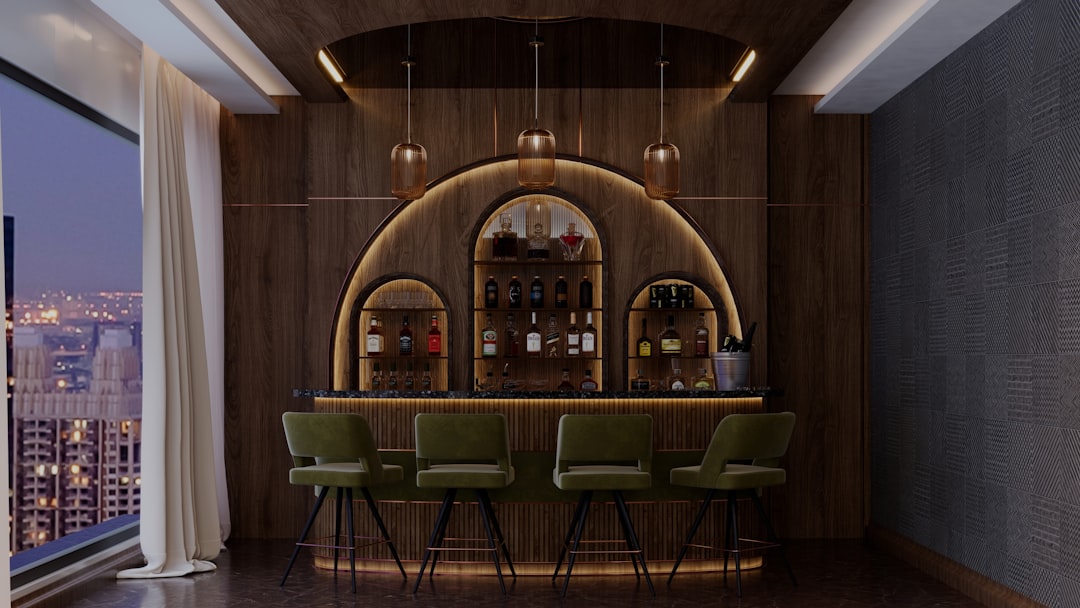
When you’re thinking about making your home bar feel a little more special, a sleek linear pendant light can really transform the space. It’s not just about throwing some light around; it’s about creating an atmosphere, defining the area, and adding a touch of sophistication that makes your home bar the go-to spot for relaxing or entertaining.
Setting the Mood: Why Linear Pendants Work Wonders
So, why choose a linear pendant for your home bar specifically? It boils down to a few key things. First, distribution of light. Unlike a single, central pendant, a linear fixture spreads light evenly across the bar surface. This means no more dark corners where you can’t see what you’re doing, and it highlights your bottles and glassware beautifully.
Second, it’s about defining the space. In an open-plan home, a linear pendant acts like a subtle visual cue, marking the bar area without needing walls or screens. It draws the eye and signals, “This is the place to be.”
Finally, there’s the aesthetic impact. Linear pendants, by their very design, are modern and elegant. They can lean minimalist, industrial, or even a bit art deco, depending on the material and finish. This versatility means you can find one that perfectly complements your existing decor, or even becomes the focal point that inspires your bar’s overall style.
Choosing the Right Linear Pendant: Size, Shape, and Style
Picking the perfect linear pendant isn’t as simple as grabbing the first one you see. A little thought goes a long way to ensure it’s functional and looks great.
Measuring Up: Getting the Scale Right
The most critical step is getting the size right. Too small, and it’ll look lost; too large, and it’ll overwhelm the space.
Bar Length Considerations
- Short Bars (Under 4 feet): For smaller home bars, a shorter linear pendant, perhaps 18-24 inches, will likely be proportionate. You don’t want the fixture to hang over the edges of the bar significantly.
- Medium Bars (4-6 feet): This is a common size for home bars. A pendant in the 24-36 inch range often works well. Again, aim for it to be roughly two-thirds the length of your bar.
- Long Bars (Over 6 feet): For longer setups, you might consider a longer linear pendant (36+ inches) or even two smaller linear pendants spaced evenly along the length. This avoids the light looking like a thin stripe.
Countertop and Ceiling Height
- Countertop Depth: While less critical than bar length, consider if your countertop is unusually deep. A very wide pendant might feel too close to your face when you’re standing at the bar.
- Ceiling Height: This is crucial for how low the light can hang. A standard ceiling (around 8 feet) allows for a good range of pendant drop lengths. Higher ceilings offer more flexibility, and lower ceilings might require a more adjustable fixture or a shorter overall pendant.
Material Matters: Beyond the Bulb
The materials a linear pendant is made from contribute hugely to its style and how it interacts with light.
Metal Finishes
- Black: Classic, modern, and versatile. Black linear pendants can range from matte and industrial to sleek and glossy, fitting into almost any decor. They create a strong visual anchor.
- Brushed Nickel/Chrome: These cooler tones offer a contemporary, clean look. They’re great for modern or minimalist bars and reflect light well, making the space feel brighter.
- Brass/Gold: For a touch of warmth and luxury, brass or gold finishes are excellent. They can lean towards art deco, mid-century modern, or even a more opulent style, adding a rich feel to your bar.
- Bronze/Copper: These warmer metallic tones can evoke a more rustic or vintage feel. They add depth and character, especially in spaces with natural wood elements.
Other Materials
- Wood: Linear pendants with wooden accents or entirely wooden structures can bring a natural, organic touch. This is perfect for a more relaxed, Scandinavian-inspired, or rustic bar.
- Glass: Some linear pendants incorporate frosted or clear glass elements, often around the light source. This can help diffuse light for a softer glow or create a more decorative effect.
Style Categories
Linear pendants aren’t all the same. They come in various styles that can dramatically change the feel of your bar.
Modern & Minimalist
These often feature clean lines, simple geometric shapes, and a focus on functionality. Think slim profiles, unadorned surfaces, and often matte black or brushed metal finishes. They aim to blend seamlessly into the decor without drawing too much attention to themselves, except for their elegant form.
Industrial
Inspired by factories and workshops, industrial linear pendants often incorporate elements like exposed bulbs (or cages), raw metal finishes (like dark iron or distressed steel), and robust construction. They bring a touch of grit and character to a home bar.
Art Deco & Glam
These styles embrace curves, decorative details, and luxurious materials. Think polished brass, chrome, or gold, often paired with frosted glass shades or intricate metalwork. They’re designed to be statement pieces that add a touch of old-Hollywood glamour.
Transitional
Bridging the gap between traditional and modern, transitional linear pendants offer a timeless appeal. They might feature classic shapes with contemporary finishes, or a blend of materials that feels both familiar and fresh. These are a safe bet if you’re unsure about committing to a very specific style.
Installation Considerations: Getting it Right
Once you’ve chosen your perfect linear pendant, the next step is making sure it’s installed correctly. This isn’t just about aesthetics; it’s about safety and ensuring the light functions as intended.
Height and Placement: Where to Hang It
The height at which you hang your linear pendant is crucial for both usability and visual appeal.
The Ideal Hanging Height
- Clearance for Standing: The bottom of the pendant should generally be at least 65-72 inches from the floor, or about 30-36 inches above your countertop. This provides enough headroom for people standing at the bar to avoid bumping their heads, while still allowing the light to illuminate the surface effectively.
- Visual Balance: The pendant should feel balanced over the bar. It shouldn’t hang so low that it feels oppressive, nor so high that it seems like an afterthought. Experiment (with a mock-up if you can) to get a feel for what looks right in your space.
Centering and Alignment
- Bar Center: The most common and often best placement is directly in the center of your bar’s length. This ensures even light distribution across the entire surface.
- Beyond Center: For very long bars, you might opt for two pendants spaced equally. Alternatively, some designs are intentionally asymmetrical, but this requires a strong design vision and careful consideration of how the light falls.
- Alignment with Seating: Consider the angle from which people will view the pendant. It should look good from the main seating areas and the approach to the bar.
Wiring and Electrical Work
This is where you might need a professional.
DIY vs. Professional Installation
- DIY Potential: If you’re comfortable with basic electrical work, have the right tools, and understand local building codes, you might be able to install a pendant yourself, especially if it’s replacing an existing fixture.
- When to Call an Electrician: If you’re not confident, if new wiring needs to be run, or if your home’s electrical system is older, it’s always best to hire a qualified electrician. They can ensure the installation is safe, up to code, and properly connected. This is particularly important for heavier fixtures or if you’re dealing with dimmable switches.
Dimmers: The Game Changer
- Creating Ambiance: A dimmer switch is almost non-negotiable for a home bar. It allows you to adjust the light from bright and functional for cocktail making to a softer, more ambient glow for relaxed conversations.
- Compatibility: Make sure your chosen linear pendant is compatible with dimmer switches, and that the dimmer itself is rated for the type of bulbs in your fixture.
Lighting Quality: Brightness, Color Temperature, and Dimming
The actual light emitted by your pendant is just as important as its appearance.
Brightness (Lumens)
- Task vs. Ambiance: For a home bar, you often need a balance. You want enough brightness to easily see what you’re doing when mixing drinks (task lighting), but also the ability to dim it down for a relaxed atmosphere.
- General Recommendation: Look for pendants that offer adjustable brightness or are designed to cast a diffuse, rather than harsh, light. The ideal lumen output will depend on the size of your bar and the overall lighting in the room, but starting with something in the 800-1500 lumen range and using a dimmer is a good approach.
Color Temperature (Kelvin)
- Warm vs. Cool: Color temperature dictates whether the light appears warm (yellowish) or cool (bluish).
- For Home Bars: Most people prefer a warm white light (around 2700K-3000K) for home bars. This creates a cozy, inviting, and sophisticated ambiance that enhances the colors of spirits and mixers. Avoid overly cool or daylight bulbs, which can feel sterile.
Bulb Types
- LED Integration: Many modern linear pendants come with integrated LED lighting. This is energy-efficient, long-lasting, and often designed to offer excellent light quality. Check if the LEDs are dimmable and if the color temperature is to your liking.
- Replaceable Bulbs: If your pendant uses standard bulbs, ensure they are readily available and that you can easily replace them with bulbs that meet your desired brightness and color temperature.
Enhancing Functionality and Style
Beyond just providing light, a linear pendant can actively contribute to your home bar’s usability and overall design.
Focusing the Light
- Direct vs. Diffused: Some linear pendants have a directed beam of light that’s excellent for highlighting specific areas, like the bottles on a back shelf. Others have diffused shades or designs that spread the light more evenly over the entire bar surface. Consider which approach best suits your needs.
- Task Lighting Zones: If your bar has distinct areas, like a mixing station and a tasting area, you might choose a pendant that can direct light appropriately.
Adding a Statement Piece
- Material and Finish: The materials and finishes you choose can make your pendant a true design element. A polished brass fixture can add a touch of art deco flair, while a matte black industrial-style pendant grounds a modern space.
- Unique Designs: Don’t be afraid to explore pendants with interesting shapes, textures, or even integrated decorative elements. These can become conversation starters and elevate the entire bar area.
Complementing Other Bar Features
- Backsplash Harmony: Think about how the pendant’s style and finish will interact with your bar’s backsplash. A sleek chrome pendant might complement a glass or mirrored backsplash, while a bronze one could work beautifully with a stone or brick finish.
- Cabinetry and Countertops: Ensure your chosen pendant doesn’t clash with the colors and materials of your bar cabinets and countertops. The goal is a cohesive look.
Integrated Storage and Display
Some creative linear pendant designs might even incorporate subtle features that enhance functionality.
- Minimalist Shelving: Very occasionally, you might find linear pendants with incredibly slim, integrated shelving units. These are rare but can be a clever way to display a few select bottles or glasses without adding bulk.
- Hanging Racks: While less common for linear pendants directly, the spacing and placement of a linear pendant can sometimes be considered alongside plans for hanging glassware racks, ensuring they don’t interfere with the light or its aesthetic.
Popular Linear Pendant Styles for Home Bars
Let’s dive into some specific styles that frequently make their way into home bar designs, along with why they work.
The Minimalist Beam
- Description: These are often slim, rectangular bars of metal or acrylic, sometimes with a diffused LED strip running the length. They’re all about clean lines and unobtrusive design.
- Why it Works: Perfect for modern, contemporary, or even Scandinavian-inspired home bars. They provide excellent, even illumination without visually cluttering the space. They’re ideal when you want the bottles and glassware to be the stars.
- Considerations: Ensure the length is proportionate to your bar. For a slightly warmer feel, look for finishes like brushed gold or bronze.
The Industrial Cage
- Description: Characterized by metal cages or open frameworks surrounding the light source, often with exposed Edison-style bulbs. Finishes are typically matte black, dark bronze, or distressed metal.
- Why it Works: Adds a cool, edgy, and masculine vibe. Great for bars with brick, wood, or concrete elements. The open design allows light to spill out in interesting patterns.
- Considerations: Can cast more dramatic shadows. If you need very bright, uniform light, ensure the bulbs are powerful enough, or consider a more enclosed industrial design.
The Art Deco Flair
- Description: These pendants often feature polished metals like brass, chrome, or gold, sometimes with frosted glass shades, geometric patterns, or elegant curves. They exude a sense of vintage glamour.
- Why it Works: Brings a touch of sophistication and luxury. Excellent for bars designed with a retro, speakeasy, or glamorous theme. They can act as a strong statement piece.
- Considerations: Can be more decorative, so ensure the light output is sufficient for your needs. The polished finishes require regular cleaning to maintain their shine.
The Farmhouse/Rustic Charm
- Description: These might feature natural wood accents, dark iron or bronze finishes, and sometimes a more utilitarian shape that evokes a barn or workshop. They often use slightly wider, more substantial forms than minimalist designs.
- Why it Works: Creates a warm, inviting, and grounded atmosphere. Complements bars with natural wood countertops, stone backsplashes, or a cozy, lived-in feel.
- Considerations: Ensure the scale doesn’t overpower a smaller bar. The rustic finishes can add character but might not suit extremely sleek modern interiors.
Beyond the Basics: Advanced Tips for Your Home Bar Lighting
Once you have the fundamentals down, there are a few extra touches that can really elevate your home bar lighting.
Layering Light for Depth
- Combining Fixtures: A linear pendant is great for overhead illumination, but don’t stop there. Consider adding accent lighting.
- Under-Cabinet Lights: LED strips under your bar shelves or cabinets can highlight bottles and glassware, creating a beautiful glow and adding depth to your display.
- Spotlights: Small, adjustable spotlights can be used to draw attention to specific bottles or pieces of art on a back wall.
Smart Home Integration
- Voice Control: If your pendant is compatible, integrating it with a smart home system allows you to control the lights with voice commands – perfect for when your hands are full.
- Scheduling: Set schedules for your lights to turn on or off automatically, creating a welcoming ambiance when you arrive home or for evening entertaining.
- Scene Creation: Program different lighting “scenes” – for example, a “cocktail hour” scene with dimmed lights and a “cleaning up” scene with brighter illumination.
Energy Efficiency and Longevity
- LED Choice: As mentioned, LEDs are the way to go for energy efficiency and long lifespan.
- Quality of Components: Invest in a good quality fixture. Cheaper fixtures might use less efficient drivers or have bulbs that burn out quickly, costing you more in the long run.
- Maintenance: Understand how to clean and maintain your specific fixture. Some finishes require gentle cleaning to avoid damage.
Considering the Bulb Shape
- Edison Bulbs: If you’re going for an industrial or vintage look, Edison-style bulbs add a lot of character, though they can be less energy-efficient than modern LEDs.
- Frosted vs. Clear: Frosted bulbs provide a softer, more diffused light, which is often preferred for ambiance. Clear bulbs can be brighter but may create more glare.
- Shape and Size: The shape of the bulb itself can be a decorative element, especially in open or caged fixtures.
By thoughtfully selecting and installing a sleek linear pendant light, you can dramatically enhance the functionality and aesthetic appeal of your home bar. It’s an investment that pays off in creating a stylish, inviting, and enjoyable space for countless good times.