
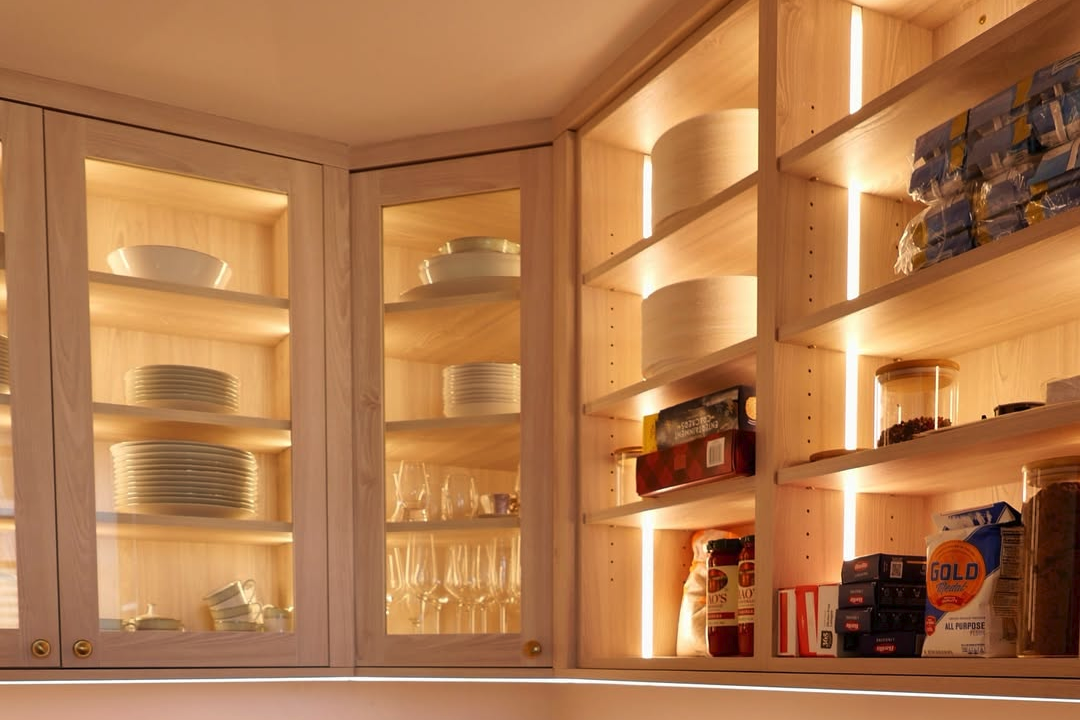
You know those moments when you open your larder door, and instead of a harsh glare, a gentle glow greets you? That’s the magic of cozy larder lighting, and often, it boils down to the simplicity of a single, well-chosen bulb. It’s less about bombarding the space with light and more about creating an inviting atmosphere that makes finding that jar of preserves or that bag of flour a little bit more pleasant.
The Charm of the Single Bulb
Think about it. How often do you need floodlights Yoweddings to inspect your spice rack? Usually, a softer illumination is all that’s required. The beauty of a single bulb in a larder is its understated elegance and practicality. It’s a deliberate choice, not a default. It says, “This is a functional space, but it can also be a space you enjoy being in.” It’s about embracing the utilitarian nature of a larder while still adding a touch of warmth and personality. This isn’t about making it a feature in your home, but rather making the act of accessing your stored goods a more pleasant, even subtly comforting, experience.
Why Embrace Simplicity?
In an era where everything seems to demand complex solutions and multiple features, there’s a quiet rebellion in opting for a single light source. It’s a nod to a time when things were simpler, and it works. It’s efficient, both in terms of energy consumption and the ease of installation. You don’t need an electrician for days or a complicated wiring diagram. It’s a practical choice that also happens to feel inherently… cozy.
Practicality Over Performance
Let’s be honest, a larder isn’t the main stage of your home. It’s a workhorse. You need enough light to see what you’re grabbing, to read labels, and to keep things organized. A single bulb, when chosen correctly, provides exactly that, without being overpowering. It avoids the common pitfall of over-lighting a small, enclosed space, which can sometimes feel sterile rather than functional.
The Aesthetics of Understatement
There’s an undeniable charm in understated design. A single, well-placed pendant light or a simple ceiling fixture with a warm bulb can transform a utilitarian space into something a little more special. It’s a subtle detail that contributes to the overall feeling of your home. It’s the kind of detail that, even if guests don’t consciously notice it, contributes to the seamless flow and warmth of your living space.
Energy Efficiency and Cost Savings
Beyond the aesthetic, a single bulb is simply more energy-efficient. You’re not powering multiple lights when one will do the job. This translates to lower electricity bills, which is always a practical win. Over time, those small savings add up, and you can feel good about making a more environmentally conscious choice without sacrificing functionality.
Choosing the Right Bulb: The Heart of the Glow
The “single bulb” approach isn’t about any old bulb. It’s about a thoughtful bulb. This is where the real magic happens, where you dictate the mood and warmth of your larder. It’s not just about lumens; it’s about the color temperature and the quality of the light itself.
Understanding Color Temperature (Kelvin)
This is probably the most crucial factor. You want a bulb that emits a warm, inviting light, not a stark, blueish glare.
- Warm White (2700K – 3000K): This is your sweet spot for coziness. Think of the light from a traditional incandescent bulb or a flickering candle. It creates a soft, amber hue that’s incredibly welcoming and relaxing. It’s perfect for a larder where you want to feel a sense of calm rather than urgency.
- Neutral White (3500K – 4000K): This is a bit brighter and cleaner, but still comfortable. It’s like daylight on a slightly overcast day. It provides good visibility without feeling harsh. It can be a good option if you need to distinguish colors clearly, but you still want a touch of warmth.
- Cool White/Daylight (5000K+): Avoid these for a cozy larder. They mimic bright, midday sun and can feel sterile and unwelcoming in a small, enclosed space. They’re better suited for task lighting in areas where you need maximum clarity and a stimulating environment.
Lumens: Not Just About Brightness
Lumens measure the brightness of a bulb. While you don’t want a dim bulb, you also don’t want an overly bright one that washes out the space.
- Typical Larder Needs: For a standard-sized larder (say, 4×6 feet), 400-800 lumens is usually more than sufficient. This provides enough light to see your ingredients without feeling like you’re under a spotlight.
- Considerations: The size of your larder and the depth of your shelves will influence how many lumens you need. Deeper shelves might benefit from a slightly higher lumen output, but always err on the side of caution and start lower. You can always swap out a bulb for a brighter one if needed.
Bulb Type: LED Reigns Supreme
While incandescent bulbs offer a classic warm glow, they’re incredibly inefficient. LED technology has advanced to the point where you can get beautiful warm tones with significantly less energy consumption.
- LEDs are Cost-Effective: They last much longer than incandescent bulbs, saving you money on replacements.
- Variety of Styles: You can find LED bulbs that mimic the look of vintage Edison bulbs, adding an extra layer of aesthetic appeal.
- Dimmable Options: Many LED bulbs are also dimmable, giving you even more control over the ambiance.
The Warmth of Edison Bulbs
If you’re leaning into the cozy aesthetic, the humble Edison bulb is hard to beat. These reproduction bulbs, with their visible filaments, offer a unique character and a beautifully warm, amber light.
- Aesthetic Appeal: The intricate filament design adds a vintage touch that’s both charming and visually interesting.
- Warm, Soft Glow: Edison bulbs are typically designed to emit a lower lumen output and a very warm color temperature, making them ideal for creating a relaxed atmosphere.
- Considerations: While they look fantastic, Edison bulbs are generally not the most energy-efficient option, and their lifespan can be shorter than modern LEDs. However, for a larder where the light might not be on for extended periods, their aesthetic benefits can outweigh these drawbacks. If energy efficiency is paramount, look for LED versions designed to mimic the look of Edison bulbs.
Fixture Choices: Enhancing the Single Bulb
The fixture itself plays a crucial role in how that single bulb’s light is distributed and perceived. It’s not just about the bulb; it’s about its housing.
Simple Pendant Lights
A classic choice for a reason. A simple pendant light hanging from the ceiling is both functional and aesthetically pleasing.
- Versatile Styles: You can find pendants made of glass, metal, wood, or even fabric, each offering a different feel.
- Directional Light: Some pendants have shades that direct the light downwards, which can be useful for illuminating your work surface. Others have open designs that cast a softer, more diffused light.
- Height Matters: Consider the height of the pendant. You don’t want it to be a head-bumping hazard, but you also want it to be low enough to provide adequate light for accessing shelves.
Ceiling-Mounted Fixtures
For a more minimalist approach, a flush-mount or semi-flush mount ceiling fixture can be a great option.
- Space-Saving: These fixtures are ideal for smaller larders where hanging a pendant might feel too intrusive.
- Diffused Light: Many ceiling fixtures have frosted glass or opaque shades that help to diffuse the light, creating a softer glow.
- Ease of Installation: They are generally straightforward to install and maintain.
Exposed Bulb Designs (with Caution)
There’s a certain industrial or minimalist charm to an exposed bulb. However, it’s crucial to use this style thoughtfully in a larder.
- The Edison Bulb Connection: This is where exposed bulbs really shine, especially when paired with a vintage-style cord and socket.
- Glare Potential: The main drawback is the potential for glare. If the bulb is too bright or positioned directly in your line of sight, it can be uncomfortable.
- Shade it Appropriately: If you opt for an exposed bulb, consider a simple cage or a shallow, opaque shade to soften the light and prevent direct glare.
Considerations for Material and Finish
The material and finish of your fixture can significantly impact the overall look and feel.
- Metals: Brushed nickel, brushed brass, or matte black can all add a touch of sophistication. Consider the other hardware in your kitchen or pantry for a cohesive look.
- Glass: Clear glass will allow the bulb to be the star, while frosted or opaque glass will diffuse the light more.
- Wood or Natural Materials: These can add a rustic or organic feel, enhancing the cozy aspect.
Placement: Where to Hang Your Light
The location of your single bulb is just as important as the bulb itself. It needs to be strategically placed to illuminate the most functional areas of your larder.
Centered on the Ceiling
This is the most common and often the most practical placement. A single bulb centered in the room provides general illumination for the entire space.
- Even Distribution: When placed centrally, the light can spread out more evenly, reaching most of the shelves and floor space.
- Avoids Shadows: This placement helps to minimize harsh shadows that can occur if the light is too far to one side.
- Consider Shelf Depth: If you have very deep shelves, you might need to think about the reach of the light from the center.
Over the Primary Workspace
If you have a dedicated counter or a specific area where you do most of your food prep or organizing in your larder, consider positioning the light more directly above that spot.
- Task-Oriented Lighting: This approach prioritizes functionality, ensuring you have good light where you need it most.
- Can be Combined: You could have a central light for general illumination and then a smaller, more focused task light (perhaps a small adjustable spotlight) over your workspace if needed, though this moves away from the single-bulb concept. For a true single-bulb cozy larder, the central placement is usually best.
Avoiding Direct Glare
No matter where you place it, ensure the bulb isn’t directly in your line of sight when you’re reaching for items or looking at labels.
- Shade is Key: As mentioned, a shade, even a simple one, is crucial for diffusing light and preventing direct glare.
- Height Adjustment: If possible, adjust the height of the fixture to ensure the light falls where you need it without being blinding.
Adding Layers of Coziness (Beyond the Bulb)
While the single bulb is the star, a few other considerations can amplify that cozy feeling without resorting to multiple light sources. It’s about maximizing the impact of that single, warm glow.
Shelf Liners and Organization
The way you organize and present your items can significantly affect the perceived warmth of the space.
- Natural Materials: Consider using wooden crates, wicker baskets, or natural fiber shelf liners. These materials absorb and reflect light in a softer way than sterile plastic.
- Labeling: Clearly labeled jars and containers not only make things easier to find but also contribute to a sense of order and calm, which complements a cozy atmosphere.
- Color Palette: If you’re painting your larder or choosing containers, opt for warmer, more muted tones. Think creams, soft greens, earthy browns, or muted blues. These colors will interact beautifully with warm light.
Decorative Touches (Subtle, of Course)
You don’t want to clutter your larder, but a few subtle decorative elements can enhance the cozy vibe.
- Small Potted Plant: A tiny herb plant or a succulent can bring a touch of life and natural warmth.
- Vintage Accents: A charming old tin, a piece of decorative ceramic, or a framed recipe can add personality without being overwhelming.
- Textiles: A small, woven rug on the floor or a fabric cover for a shelf can add softness and texture.
The Power of Scent (Subtle Enhancement)
While not directly related to lighting, a pleasant, subtle scent can dramatically enhance the feeling of coziness.
- Natural Scents: Think of dried herbs like lavender or rosemary, or a sachet of dried citrus peels.
- Avoid Overpowering Fragrances: The goal is a gentle hint of aroma, not an olfactory assault. The scent should complement, not compete with, the visual warmth.
When a Single Bulb Might Not Be Enough
It’s important to acknowledge that for some, a single bulb might genuinely not meet their practical needs. This isn’t about judgment, but about understanding the limitations.
Very Large or Deep Pantries
If your larder is exceptionally large or has extremely deep shelves that a central light can’t adequately illuminate, you might need to reconsider.
- Multiple Smaller Lights: In such cases, two or three smaller, strategically placed pendant lights with warm bulbs might be a better solution, maintaining a sense of cohesiveness.
- LED Strip Lighting (Carefully): For very deep shelves, subtle LED strip lighting installed under the shelf edges can provide targeted illumination without being harsh. However, this requires more planning and is less about the “single bulb” aesthetic.
Specific Needs for Food Storage
Certain food items might require specific lighting conditions for preservation, although this is less common for standard home larders and more for commercial or specialized storage.
- UV Protection: Some items might benefit from reduced UV exposure, which is more about the bulb type and fixture design than the number of lights.
- Humidity Control: Lighting doesn’t typically play a direct role in humidity control.
Personal Preference and Visibility
Ultimately, personal preference is king. If you find a single bulb makes it genuinely difficult to see and organize your food, then it’s not the right solution for you.
- Test and Adjust: Always test your lighting setup. If it feels too dim, start by swapping the bulb for one with a slightly higher lumen output within the warm color temperature range.
- Consider Secondary Lighting: If a single bulb is your primary goal for ambiance, but you need occasional brighter light, a small, battery-operated LED task light that you can pull out when needed is a good compromise. This keeps the main lighting cozy and allows for occasional functional bursts.
The beauty of a cozy larder lit by a single bulb lies in its simplicity and effectiveness. It’s about creating a warm, inviting space that makes a mundane task feel a little more special. By focusing on the right bulb, a thoughtful fixture, and strategic placement, you can transform your larder from a purely functional space into a small corner of warmth and comfort in your home.