
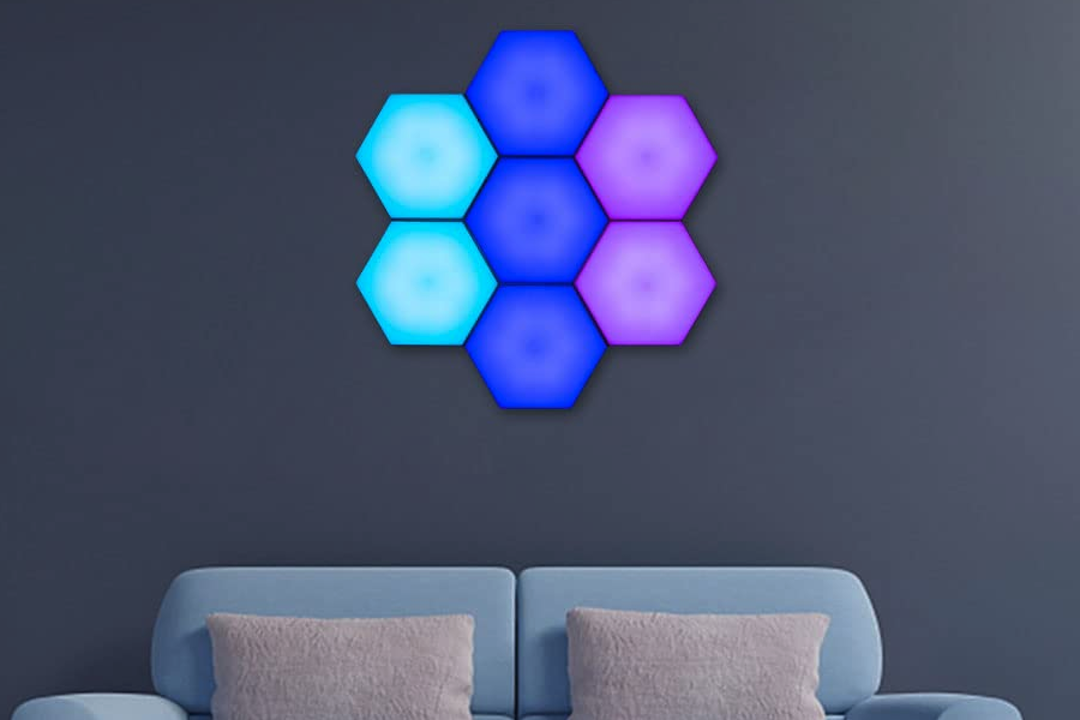
If you’re looking to truly personalize your lighting and add some visual flair to your living space, honeycomb modular wall lights are a fantastic option. They offer a unique blend of functionality and artistic expression, moving beyond simple illumination to become a statement piece.
In essence, honeycomb modular wall lights Guffco are a collection of individual light panels, usually hexagonal (hence “honeycomb”), that you can connect and arrange in various patterns on your wall. Each panel is a self-contained light unit, often featuring LEDs. The “modular” aspect is key here – it means you’re not stuck with a fixed design. You can expand, reconfigure, and customize your lighting to your heart’s content, creating something truly unique to your home.
Beyond the Basic Bulb
Think of these as an upgrade from traditional light fixtures. Instead of a single light source, you’re building a multi-point display. This allows for more dynamic lighting effects and truly transforms a plain wall into an interactive art installation. They’re more than just lights; they’re a medium for creativity.
How They Work
Typically, these systems involve a main power panel or a series of interconnected panels that draw power from a single supply. The clever bit is how they connect; often, small connectors slide into slots between panels, ensuring both electrical contact and physical stability. This makes installation surprisingly straightforward, often without the need for complex wiring.
Why Choose Modular Wall Lights?
The appeal of honeycomb modular wall lights goes beyond just looking cool. They offer a range of practical benefits that make them a compelling choice for modern homes.
Unmatched Customization
This is arguably the biggest draw. You’re not buying a pre-made lamp; you’re buying a kit to design your own.
Design Freedom
Want a long, slender line of light? A sprawling organic shape? A geometric pattern that echoes your furniture? It’s all possible. You can create intricate designs, simple accents, or even abstract art. This level of control means your lighting can truly reflect your personal style and the specific needs of your room.
Scalability
Start small with a few panels and expand later. If you move or redecorate, you can often reconfigure your existing panels to fit your new space. This flexibility makes them a good long-term investment, as they can adapt to changing tastes and circumstances. No more being stuck with a light fixture that no longer suits your room.
Dynamic Lighting Effects
Modern modular lights aren’t just about on/off. They offer a spectrum of interactive features.
Color & Brightness Control
Most systems allow you to adjust the color temperature from warm to cool whites, or even choose from millions of RGB colors. Dimming capabilities are standard, letting you fine-tune the ambiance for different activities, from energetic morning routines to cozy evening relaxation.
Scene Pre-sets & Schedules
Many systems come with pre-programmed scene modes – think “sunrise,” “movie night,” or “party” settings. You can often create and save your own custom scenes and even schedule lights to turn on or off at specific times, adding to both convenience and security.
Smart Home Integration
If you’re already invested in a smart home ecosystem, these lights will likely fit right in.
Voice Control
Most honeycomb modular lights integrate with popular smart assistants like Amazon Alexa, Google Assistant, and Apple HomeKit. This means you can control them hands-free, simply by speaking a command – “Alexa, turn my wall lights blue,” or “Hey Google, dim the living room lights to 50%.”
App Control
Dedicated smartphone apps provide granular control over every aspect of your lighting, from individual panel colors to complex animations. This gives you a visual interface to manage your designs and settings, often even when you’re away from home.
Automation
Connect them with other smart devices. Imagine your lights automatically dimming when you start a movie on your smart TV, or changing color when your smart doorbell rings. The possibilities for creating a truly intelligent home environment are vast.
Installation & Setup: Easier Than You Think
Don’t let the modular nature intimidate you. These systems are generally designed for user-friendly installation.
Planning Your Design
Before you even open the box, spend some time planning.
Sketch It Out
Use graph paper or a digital design tool to map out your desired pattern. Consider the size of your wall, existing furniture, and where you want the light to draw attention. Think about negative space as well – a well-designed pattern often incorporates empty areas as part of its aesthetic.
Consider Power
Most systems require a single power source, usually a standard wall outlet. Plan where this power cable will run. Some systems offer longer connecting cables or even ceiling-mount options for a cleaner look, but the standard is often a simple plug-in.
Panel Count
Estimate how many panels you’ll need for your design. It’s often a good idea to buy a few extra if your budget allows, so you have room for future expansion or design tweaks without waiting for another order.
The Installation Process
Once your design is ready, installation is typically straightforward.
Surface Preparation
Ensure your wall is clean and dry. For optimal adhesion, a smooth, non-porous surface is best.
Mounting
Most panels attach to the wall using strong, double-sided adhesive pads (like 3M Command strips or similar). These are generally reliable and allow for repositioning if you make a mistake. Some systems may offer screw-in mounting options for added security, particularly for larger installations or textured walls.
Connecting Panels
The panels snap or slide together using small connectors that carry both power and data. Pay attention to the orientation instructions to ensure they connect correctly and securely. It’s often a good idea to build your design on a flat surface first and then transfer it to the wall, especially for complex patterns.
Power Up & Pair
Once installed, plug in the power supply. Then, usually following app instructions, pair your lights with your smartphone or smart home hub. This typically involves a few taps in the app to get everything connected and ready for control.
Practical Considerations Before Buying
While appealing, it’s good to go in with open eyes regarding some practicalities.
Cost Implications
Honeycomb modular wall lights are an investment.
Initial Outlay
These systems are generally more expensive than a basic lamp or a standard LED strip. The cost per panel, especially from premium brands, can add up quickly. Factor this into your budget.
Expansion Costs
Remember that expanding your design means buying more panels, which adds to the overall cost. While flexible, this flexibility sometimes comes with a price tag.
Room Suitability
Not every room will benefit equally from these lights.
Ideal Locations
They shine in living rooms, gaming setups, home offices, and bedrooms where you want to create a focal point or mood lighting. In areas like kitchens or bathrooms, while possible, they might not be the most practical primary light source.
Wall Space
You need adequate wall space to make an impact. A small, cluttered wall won’t do them justice. Consider if you have a prominent feature wall or a clear section that could be transformed.
Brightness & Functionality
Understand what these lights are best for.
Accent vs. Primary Lighting
While they cast beautiful light, most honeycomb modular systems are best suited for accent lighting, mood lighting, or decorative purposes. They might not generate enough ambient light to fully illuminate a large room on their own. You might still need other light sources for general illumination.
Diffusion
The light from these panels is often diffused and soft, which is great for ambiance but less effective for task lighting activities like reading or detailed work.
Creative Inspiration & Use Cases
Let’s get those creative juices flowing. These lights aren’t just for straight lines.
Accentuating Architectural Features
Highlight an alcove, frame a window, or draw attention to a unique wall texture. A simple line or border of panels can transform an overlooked architectural detail into a focal point.
Beyond the Wall: Desk and Gaming Setups
While designed for walls, smaller configurations can work on large desks or behind monitors, creating a dynamic backlight for gaming or work. The reactive modes, especially those that sync with audio or screen content, are a huge hit with gamers.
Interactive Art Installations
Some systems offer touch-sensitive panels, allowing you to change colors or patterns with a simple tap. This turns your wall into an interactive masterpiece, engaging visitors and creating a playful atmosphere, particularly for children.
Mood Setter for Various Activities
- Relaxation: Soft, warm oranges and yellows for unwinding.
- Reading: Cooler, brighter whites to help with focus.
- Party: Dynamic color cycling and reactive patterns that sync with music.
- Movie Night: Deep reds and blues to enhance the cinematic experience.
Brand Recognition & Workspace Decor
For creative businesses or home offices, designing a logo or a brand-inspired shape with these lights can add a professional yet innovative touch. It makes your workspace unique and memorable.
Maintaining Your Modular Wall Lights
Once installed, these lights require minimal upkeep.
Cleaning
Gently wipe panels with a soft, dry, or slightly damp cloth to remove dust. Avoid harsh chemicals or abrasive cleaners, which can damage the finish or the light-diffusing surface.
Troubleshooting
If a panel isn’t illuminating or behaving correctly, common steps include:
- Checking Connections: Ensure all connectors are snug.
- Power Cycling: Unplug and replug the power adapter.
- App Reset: Sometimes, simply restarting the app or re-pairing the device can resolve minor glitches.
- Firmware Updates: Check your app for available firmware updates, as these often fix bugs and improve performance.
The Future of Wall Lighting
Honeycomb modular wall lights represent a significant shift in how we approach home illumination. They move beyond utility to integrate art, technology, and personal expression. As LED technology advances and smart home ecosystems become more sophisticated, we can expect even more intricate designs, more responsive features, and potentially more durable and affordable options. They’re not just a trend; they’re an evolution in how we interact with our living spaces, offering a genuinely revolutionary way to light up your world.