
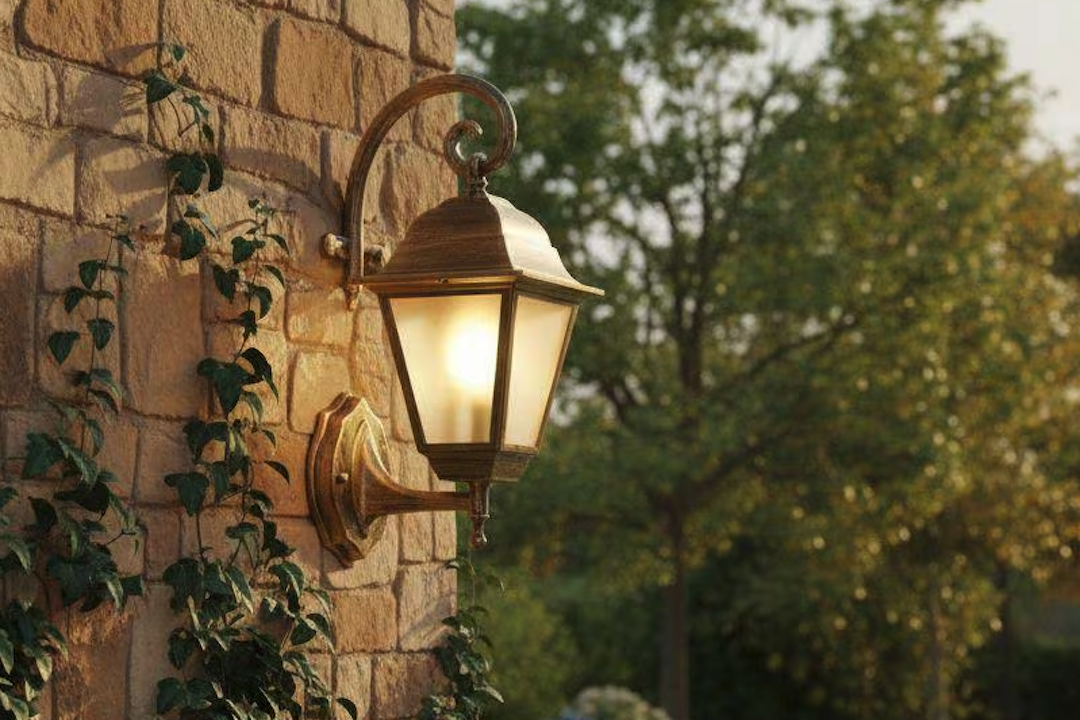
Wondering if a vintage lantern can add a special touch to your balcony? Absolutely. They bring a unique charm, can be surprisingly practical for lighting, and offer a great way to personalize your outdoor space. Let’s dive into why and how you might consider one.
There’s something inherently appealing about a vintage lantern. It’s not just about the light it provides; it’s about the story, the atmosphere, and the bit of history it can introduce. On a balcony, where space is often at a premium and personal touches matter, a vintage lantern can punch above its weight in terms of aesthetic impact.
Beyond Just Light: Creating Ambiance
A vintage lantern isn’t just a functional lighting fixture Guffco; it’s a mood setter. The type of light it casts – often warmer and softer than modern LEDs – can transform the feel of your balcony from a bare utilitarian space to a cozy retreat. Think of those evenings where you just want to unwind with a book or enjoy a quiet conversation. The gentle glow of a lantern contributes significantly to that relaxed vibe.
The Warmth of Incandescent vs. LED?
This is a consideration. If you’re going for an authentic vintage experience, you might be looking at styles that were originally designed for candles or kerosene. However, for modern use, you’ll likely find many vintage-style lanterns are adapted to take electric bulbs or battery-operated LEDs. The choice impacts the warmth and intensity of the light. An LED designed to mimic an incandescent bulb can offer a pleasing, warm glow without the fuss of fuel or open flames.
Material Matters: Metal and Glass Compositions
The materials of a vintage lantern play a huge role in its character. Brass, copper, wrought iron, and ornate glass are common. These materials age beautifully, developing a patina that adds to their vintage charm. Inspect the glass for imperfections or interesting patterns – sometimes these are part of the original design and add character.
Practicality for Small Spaces
Balconies are rarely sprawling estates. This is where vintage lanterns can shine because they often have a compact footprint. They can be hung, placed on a small table, or even nestled amongst plants without dominating the limited area. Their decorative aspect means they don’t need to be the sole source of light, allowing for a layered approach to your balcony lighting.
Hanging Options: Maximizing Vertical Space
If your balcony has an overhang or a railing you can attach to, hanging a lantern is an excellent way to save floor space. Many vintage lanterns come with hooks or chains. Ensure whatever you use for hanging is secure, especially in windy conditions. A well-placed hanging lantern can draw the eye upwards, making your balcony feel larger.
Tabletop Choices: Grounding Your Decor
Placing a lantern on a small side table or even on the floor (if it’s a sturdy, floor-standing model) can act as a focal point for your balcony seating area. This is particularly effective if you have a small bistro set on your balcony. It anchors the space and provides a warm light source at eye level for those seated.
Types of Vintage Lanterns Suitable for Balconies
When we talk about vintage lanterns, the possibilities are quite broad. For balcony use, you’ll want to consider those that are relatively compact and perhaps have a bit of weather resistance, or can be easily brought inside.
Kerosene and Oil Lamps: The Authentic Glow
These are the classic vintage lanterns. They offer a beautiful, flickering light that is undeniably romantic. However, they require care and maintenance.
Fueling Your Lantern: Practical Considerations
If you opt for a kerosene or oil lantern, you’ll need to source the appropriate fuel. Paraffin oil is a common choice, and it burns relatively cleanly with minimal odor. Always ensure the lantern is placed on a stable, non-flammable surface and never leave it unattended, especially on a balcony where wind can be a factor.
Safety First: Wind and Open Flames
The primary concern with any open flame on a balcony is safety. Even a slight breeze can cause a flame to flicker erratically, potentially igniting nearby materials. Consider storm lanterns, which have a glass chimney designed to protect the flame from wind. Also, ensure there are no flammable plants, fabrics, or debris too close to the lantern. Bringing them inside when not in use is often the most sensible approach.
Electric Vintage-Style Lanterns: Convenience Meets Charm
These are often modern reproductions that capture the aesthetic of vintage lanterns but run on electricity or batteries. This offers the best of both worlds: the look without the inherent risks of open flames or the mess of fuel.
LED Adaptations: Modern Technology in a Classic Form
Many vintage-style electric lanterns use LED bulbs. These are energy-efficient, long-lasting, and can be designed to mimic the warm, incandescent glow. Look for those with dimmable features if you want to fine-tune the ambiance.
Battery-Powered Options: Portability and Simplicity
Battery-powered lanterns are incredibly convenient. They can be placed anywhere, moved around easily, and require no wiring. Many realistic LED flame bulbs are available in battery-powered versions, offering a flicker that is surprisingly convincing. This is a great option for those who want the look but are concerned about electricity or fuel.
Candle Lanterns: A Softer Illumination
Candle lanterns offer a step up in safety from open oil lamps while still providing a lovely, natural light. They enclose the candle, offering some protection from drafts.
Choosing the Right Candle: Scent and Burn Time
For lanterns, pillar candles or votives are common. Beeswax candles burn longer and release a subtle honey scent, while soy candles are a more sustainable option and often come in various scents. Consider the burn time of the candle in relation to how long you plan to use the lantern.
Refilling and Maintenance: Keeping it Lit
Candle lanterns require regular replacement of candles. Ensure the candle fits snugly within the lantern’s holder to prevent tipping. Cleaning the glass of soot build-up will be necessary over time to maintain the light quality.
Styling Your Balcony with a Vintage Lantern
Integrating a vintage lantern isn’t just about placing it somewhere; it’s about making it part of your overall balcony decor.
Complementing Your Existing Decor
Consider the style of your balcony. If you have a more modern setup, a distressed metal lantern with clean lines can serve as a striking contrast. If your balcony leans more towards traditional or rustic, a more ornate brass or copper lantern would fit right in.
The Power of Juxtaposition: Old Meets New
Don’t be afraid to mix styles. A sleek, modern balcony can be beautifully punctuated by an antique-looking lantern. This juxtaposition can create a very compelling visual story, showing that your space is curated rather than simply furnished.
Creating a Thematic Corner
Use the lantern to define a specific area on your balcony. Perhaps it’s a reading nook with a comfortable chair, or a small dining area with a bistro set. The lantern acts as lighting for that zone and a decorative element that ties it all together.
Layering Light for Maximum Effect
A single vintage lantern might be enough for ambiance, but for true functionality, consider layering your lighting. Use the lantern as a decorative accent and a mood-setter, and supplement it with other light sources.
Task Lighting: For Reading or Dining
If you read or dine on your balcony, you’ll need more direct light. A small, adjustable LED lamp or outdoor string lights can provide this, while the lantern adds the softer glow.
Accent Lighting: Highlighting Features
You might have plants, a sculpture, or an interesting wall you want to draw attention to. Small, discreet accent lights (like solar-powered stake lights) can highlight these features, and the lantern can provide the overall atmosphere.
The Scale and Proportion Game
The size of your balcony is a key factor when choosing a vintage lantern. A massive, floor-standing lantern might overwhelm a tiny balcony, while a miniature lantern might get lost on a larger one.
Small Balconies: Compact and Considerate
For smaller spaces, look for lanterns designed to be hung or those with a small base. Think about lanterns that are more vertically oriented.
Larger Balconies: Statement Pieces
On a more expansive balcony, you have the room to experiment with larger lanterns, perhaps even a pair. Consider a more substantial floor-standing model or a larger hanging lantern that can serve as a more prominent decorative element.
Maintenance and Care for Your Vintage Lantern
Vintage items, from furniture to lanterns, often require a bit more attention than their modern counterparts. Proper care will ensure your lantern looks its best and lasts for years.
Cleaning and Polishing: Preserving the Patina
The patina on brass, copper, or iron is part of its charm. Mild cleaning will remove dirt and grime without stripping this desirable aged look.
Metal Care: Avoiding Harsh Chemicals
For metal components, a soft cloth is your best friend. Gentle metal polish can be used sparingly on specific areas if you want to restore some shine, but often, a simple wipe-down with a damp cloth followed by a dry one is sufficient. Avoid abrasive cleaners that can scratch the metal.
Glass Care: Streak-Free Shine
Glass can be cleaned with standard glass cleaner. A microfiber cloth is excellent for achieving a streak-free finish. If your lantern has ornate glass, be gentle to avoid chipping or cracking. If it’s old and delicate, a very mild soap and water solution might be safer.
Weatherproofing and Storage: Protecting Your Investment
If your balcony is exposed to the elements, you’ll need to consider how to protect your lantern, especially if it’s made of materials that can rust or corrode.
Outdoor Exposure: What to Watch For
Rain, humidity, and direct sunlight can all affect vintage lanterns. Metal can rust, wood can rot, and some finishes can fade. If your lantern is particularly precious or made of susceptible materials, bringing it inside during prolonged periods of inclement weather is advisable.
Indoor Storage: Keeping it Safe
When storing your vintage lantern, choose a dry, cool place. Wrap delicate parts in acid-free tissue paper to prevent damage. Ensure it’s stored in a way that prevents it from being knocked over or crushed.
Fuel and Flame Management (for non-electric types)
This is crucial for any lantern using fuel or candles. Regular checks and safe handling are paramount.
Inspecting Wicks and Burners
For kerosene or oil lanterns, regularly inspect the wick to ensure it’s the correct length and not frayed. A well-maintained wick provides a cleaner, more consistent flame. Clean any soot buildup from the burner mechanism.
Candle Stability
For candle lanterns, ensure the candle is properly seated and stable in its holder. A candle that wiggles can be a fire hazard. Replace melted wax remnants to ensure a clean burn.
Where to Find Your Perfect Balcony Vintage Lantern
Scouting for that perfect vintage lantern can be an enjoyable treasure hunt. There are several avenues you can explore, each with its own advantages.
Antique Shops and Flea Markets: The Thrill of the Find
These locations are often goldmines for unique vintage items. You can often find genuine antique lanterns at reasonable prices, but it requires patience and a good eye.
Inspecting for Damage: What to Look For
When browsing, carefully check for cracks in the glass, significant rust or corrosion on metal parts, and ensure that any moving parts (like hinges or latches) function correctly. A bit of wear might be acceptable, but major structural damage could make a lantern unusable or unsafe.
Negotiation and Pricing: Getting a Good Deal
Don’t be afraid to haggle, especially at flea markets. Experienced dealers are often open to negotiation, and you might be able to secure your desired lantern at a better price.
Online Marketplaces: Convenience and Variety
Websites like eBay, Etsy, and dedicated antique dealer sites offer a vast selection of vintage lanterns from sellers worldwide. This is a great option if you have a specific style or era in mind.
Seller Reviews and Descriptions: Trust is Key
Read seller reviews carefully and pay close attention to the item descriptions. Look for clear photographs and detailed information about the lantern’s condition, materials, and any noted flaws.
Shipping and Returns: Factor in the Logistics
Consider the cost and method of shipping, especially for fragile items. Check the seller’s return policy in case the item arrives damaged or is not as described.
Reproduction Stores: The Look Without the Age
If authenticity isn’t your main concern, or if you’re worried about the upkeep of a true antique, reproduction stores offer lanterns designed to look vintage. These are often more affordable and easier to maintain.
Modern Materials, Vintage Style
These lanterns are typically made with modern materials and manufacturing techniques, but they are designed to mimic the aesthetic of older pieces. This can be a good compromise if you want the vintage look but prefer the ease of modern functionality and durability.
By considering these factors, you can find a vintage lantern that will not only illuminate your balcony but also add a significant layer of character and charm.