
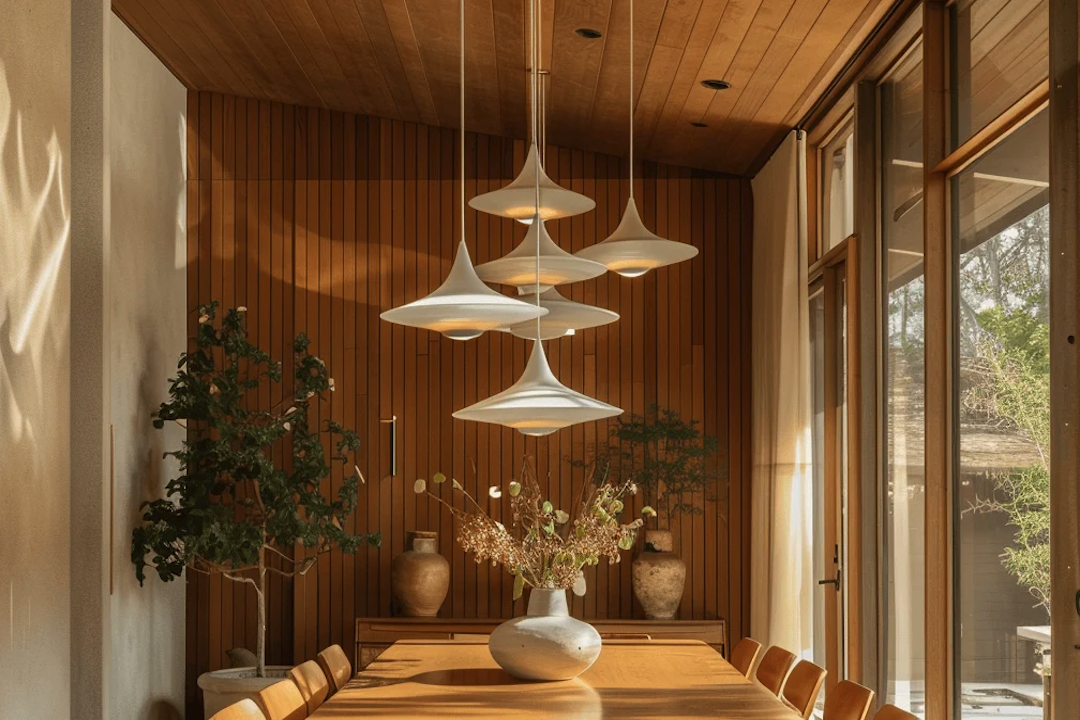
Looking to add a touch of timeless style and practical illumination to your dining space? A mid-century modern pendant light is a fantastic choice. These iconic fixtures offer a unique blend of aesthetics and functionality, instantly elevating your dining area from simply functional to thoughtfully designed. They don’t just light up a room; they anchor it, provide a focal point, and set a specific mood – all while celebrating a design era known for its enduring appeal.
Mid-century modern design, roughly spanning from the 1930s to the 1960s, is characterized by its clean lines, organic shapes, and a focus on functionality and accessibility. It emerged after World War II, a time of optimism and innovation, and these optimistic, forward-thinking values are embedded in the design itself.
A Nod to History, Not a Relic
Unlike some historical styles that can feel dated or overly ornate, mid-century modern retains a fresh, contemporary feel. It’s about streamlined forms, often using new materials like plywood, fiberglass, and plastics alongside traditional wood and metal. This blend results in pieces that are both sophisticated and surprisingly robust, fitting seamlessly into a variety of modern interiors without feeling out of place. A mid-century pendant doesn’t scream “vintage”; it whispers “timeless taste.”
Practicality Meets Panache
The core philosophy of mid-century modern design was to create well-designed, functional objects for the everyday person. This isn’t about extravagance for its own sake. It’s about beautiful design that also serves a purpose. With pendant lights Ezerliving, this means effective illumination, often with a downward focus ideal for dining, combined with captivating forms that draw the eye. They’re designed to be used and admired, making them a perfect fit for a bustling dining room.
Finding Your Perfect Mid-Century Pendant
The world of mid-century modern pendant lights is wonderfully diverse. From minimalist globes to elaborate multi-bulb fixtures, there’s a style to suit almost any aesthetic preference and dining room size.
Iconic Shapes and Silhouettes
When you think “mid-century modern pendant,” a few classic styles often come to mind.
Spheres and Globes
Perhaps the most recognizable, the spherical or globe pendant embodies the simplicity and organic forms popular during the era. Often made of opal glass, white plastic, or even rice paper, these provide a diffused, ambient light that’s perfect for a relaxed dining atmosphere. Think George Nelson Bubble Lamps – an absolute classic. They offer a soft, inviting glow that’s incredibly flattering and reduces harsh shadows.
Cones and Cylinders
These geometric shapes offer a more directed light, often focusing illumination directly onto the dining table. Perfect for task lighting during meals, they come in a range of materials, from spun aluminum to brass or even colored glass. They can be singular, impactful elements or arranged in a cluster for a more dramatic effect.
Abstract and Sculptural Forms
For those who lean towards art and statement pieces, mid-century modern also gifted us with pendants that are sculptural delights. Think Sputnik-inspired designs with multiple arms and bulbs, or fixtures with asymmetrical arrangements of shades. These aren’t just light sources; they’re conversation starters, adding a significant artistic element to your dining room. They often feature an array of materials, combining metal, glass, and sometimes wood to create intricate and visually stimulating designs.
Materials Matter: The Touch and Feel
The materials used in mid-century modern pendants are as important as their shapes. Each material brings its own character and contributes to the overall aesthetic and feel of the light.
Metal Mania: Brass, Copper, and Chrome
These metals were incredibly popular, reflecting the era’s focus on industrial innovation and sleek finishes.
Warm Brass and Copper
These metals bring a warm, inviting glow even when the light isn’t on. They age beautifully, developing a rich patina over time that adds character and depth. A brass pendant, for example, can instantly elevate a dining space with a touch of understated glamour. They pair wonderfully with natural wood tones and earthy color palettes.
Sleek Chrome
For a more futuristic, minimalist feel, chrome offers a cool, reflective surface. It can make a room feel larger and brighter, and it pairs well with cooler color schemes and contemporary furniture. Chrome fixtures often emphasize cleaner lines and a more industrial-chic aesthetic.
Glassy Goodness: Opal, Smoked, and Clear
Glass is a versatile material frequently used in mid-century pendants, offering various lighting effects.
Diffused Opal Glass
Often seen in globe pendants, opal glass provides a soft, ambient light that’s perfect for creating a relaxed atmosphere during meals. It minimizes glare and casts an even glow, ideal for comfortable dining.
Dramatic Smoked Glass
For a touch of moodiness and sophistication, smoked glass shades offer a darker, more dramatic aesthetic. They often house exposed bulbs, allowing their warm filament glow to peek through, adding an element of intrigue.
Bright Clear Glass
If you want to showcase a decorative bulb or achieve maximum light output, clear glass is the way to go. It allows light to pass through unobstructed, often creating interesting reflections and patterns depending on the bulb used.
Unconventional Choices: Wood and Plastic
Mid-century designers weren’t afraid to experiment with new and natural materials.
Organic Wood Veneers
Some designs incorporate bent wood veneers, creating warm, sculptural forms that diffuse light beautifully. Think of the Danish modern aesthetic, where wood is celebrated for its natural warmth and texture.
Innovative Plastics (Acrylic, Fiberglass)
Thanks to advancements in material science, plastics like fiberglass and acrylic were embraced for their malleability and durability. These allowed for innovative, often translucent, shapes that were lightweight and contemporary. The George Nelson Bubble lamps, for example, famously use a plastic polymer spray.
Sizing it Up: Proportions and Placement
Getting the size and placement right is crucial for both aesthetics and functionality. A pendant that’s too small will look lost; one that’s too large can overwhelm the space.
The Golden Rules of Height
Generally, a pendant light should hang about 30 to 36 inches (75 to 90 cm) above the dining table surface. This ensures it provides ample light without obstructing views or creating glare. For very high ceilings, you might go a little higher, and for very low ceilings, a little lower, but always keep sightlines in mind. The goal is to light the table, not blind your guests.
Width Wise: Matching Table to Light
The diameter of your pendant light (or the combined diameter of multiple pendants) should ideally be about half to two-thirds the width of your dining table. This creates a balanced look.
Round Tables
For a circular dining table, a single, dominant spherical or abstract pendant works beautifully as a central focal point. Make sure its diameter isn’t so large that it extends beyond the table’s edge.
Rectangular and Oval Tables
With longer tables, you have a few options:
A Single, Elongated Fixture
Many mid-century designs come in an elongated or linear form, perfectly suited to stretch over a rectangular table. These provide even illumination along the length of the table without needing multiple fixtures.
A Trio or Duo of Pendants
Alternatively, hanging two or three smaller, identical pendants in a row can create a striking and well-lit arrangement. Ensure they are spaced evenly to distribute light effectively and avoid awkward shadows. The rule of thumb for spacing is often to divide the length of the table by the number of pendants plus one, to find the distance between the ends of the table and the first/last pendant, and between each pendant.
Ceiling Height Considerations
Don’t forget your ceiling height. A very large, multi-tiered pendant might look fantastic in a room with a high ceiling, but could feel cramped and dominant in a room with lower ceilings. Always visualize how the fixture will sit within your room’s vertical space.
Installation and Practical Tips
Once you’ve chosen your mid-century modern pendant, there are a few practical considerations to ensure it looks and performs its best.
Dimmer Switches are Your Friend
This is not just a suggestion; it’s practically a requirement for a dining room. A dimmer switch allows you to adjust the light intensity, transforming the ambiance from bright and functional for everyday meals to soft and intimate for dinner parties. Mid-century modern fixtures often lend themselves beautifully to varied lighting moods.
Choosing the Right Bulb
The type of bulb you insert can dramatically affect the light’s appearance and the room’s atmosphere.
Warm White LED Bulbs
Modern LED technology offers incredible energy efficiency and longevity. Opt for “warm white” or “soft white” bulbs (typically 2700K-3000K color temperature) to emulate the inviting glow of incandescent bulbs, which is crucial for creating a comfortable dining environment. Avoid cool white or daylight bulbs, as they can make food look unappetizing and the room feel sterile.
Exposed Filaments (If Applicable)
If your pendant is designed with an exposed bulb (common in some clear glass or smoked glass designs), consider Edison-style LED filament bulbs. These replicate the look of vintage incandescent bulbs with their decorative filaments but offer the benefits of LED technology. They add a touch of industrial charm and a warm, inviting glow.
Professional Installation
Unless you’re confident with electrical work, it’s always a good idea to hire a qualified electrician for installation. They can ensure the fixture is safely and securely mounted and properly wired, giving you peace of mind. This is especially true for heavier fixtures or if you’re installing multiple pendants.
Styling Your Space with Mid-Century Modern
A mid-century modern pendant light doesn’t exist in a vacuum. It works best when it harmonizes with the rest of your dining room’s decor.
Complementary Furniture
Pair your pendant with other mid-century pieces for a cohesive look. Think a teak dining table, classic Eames chairs, or a credenza with clean lines. However, don’t feel obligated to go full mid-century. These pendants can also serve as a striking focal point in a more eclectic or contemporary space. The key is balance.
Color Palettes
Mid-century modern design often embraced colors that were vibrant yet sophisticated. Think muted earth tones, a pop of avocado green, mustard yellow, or teal. These colors can be introduced through textiles, artwork, or even a statement wall. Your pendant light can either pop against these colors or blend in harmoniously.
Adding Greenery
Plants are a wonderful way to bring life into a mid-century modern-inspired space. Consider a large Fiddle Leaf Fig tree in the corner, or smaller succulents on a credenza. The organic forms of plants beautifully complement the natural materials and shapes frequently found in mid-century design.
Art and Accessories
Curate your walls and shelves with artwork and accessories that echo the mid-century aesthetic. Abstract art, geometric patterns, or vintage posters can enhance the overall vibe. Avoid clutter; mid-century modern values clean lines and uncluttered spaces. A few well-chosen pieces are always better than many insignificant ones.
Beyond the Dining Room: Where Else Can They Shine?
While this article focuses on the dining room, the versatility of mid-century modern pendant lights means they can enhance other areas of your home too.
Kitchen Islands
A row of three identical mid-century pendants over a kitchen island can create a stunning and functional look. They provide excellent task lighting for prep work and also serve as a stylish visual break in an often linear space.
Entryways and Foyers
A single, statement-making mid-century modern pendant in an entryway creates an immediate impression. It welcomes guests with style and provides essential overhead lighting.
Reading Nooks
A smaller, more intimate pendant can hang lower over a comfortable armchair in a reading nook, providing focused light for your late-night page-turning. The warm glow of a mid-century pendant can make such a space incredibly inviting.
A Timeless Investment
Choosing a mid-century modern pendant light for your dining room is more than just picking a fixture; it’s an investment in enduring style. These pieces have proven their staying power for decades, moving from popular trends to design classics. They offer a blend of artful design and practical illumination that few other styles can match. By thoughtfully selecting and installing one, you’re not just lighting your dining table, you’re crafting an atmosphere – one that’s warm, inviting, and effortlessly chic, a true reflection of timeless taste.