
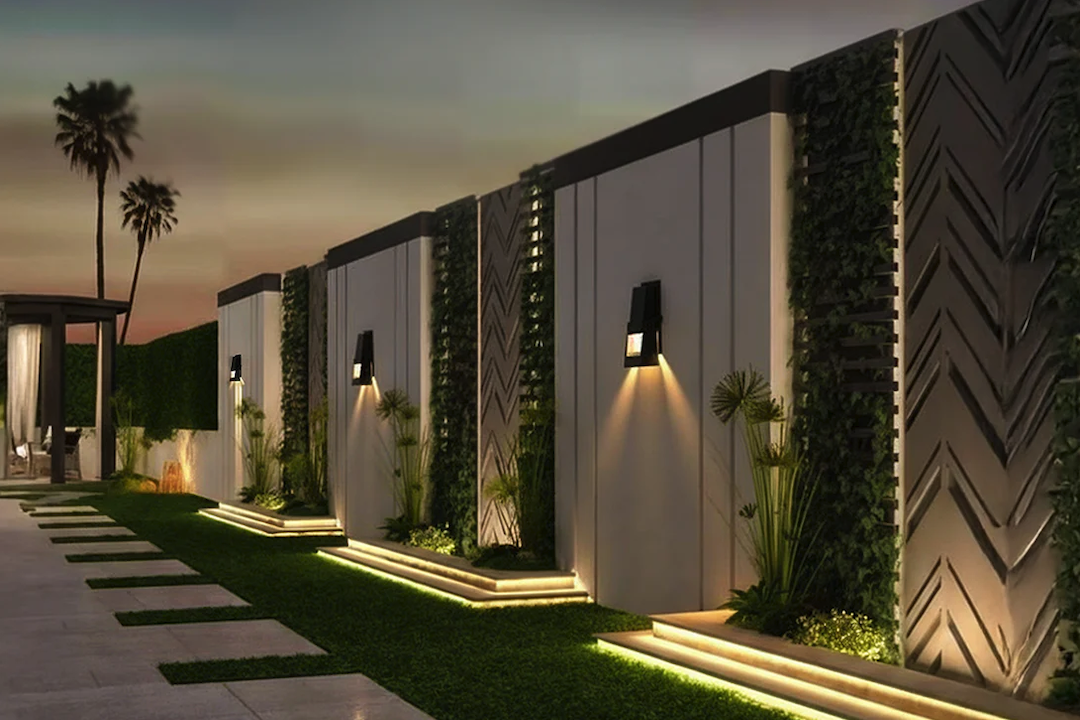
Wall lighting sets provide a practical and aesthetic solution for illuminating outdoor areas. This guide explores the various facets of these lighting systems, from their fundamental components to their strategic application, offering insights for homeowners and landscape designers alike.
Wall lighting Lamolighting sets typically comprise a combination of fixtures, wiring, and power sources designed to be installed on exterior walls or structures. These systems offer integrated solutions, simplifying the process of adding illumination compared to selecting individual components.
Components of a Wall Lighting Set
A standard wall lighting set includes several key elements. Understanding these components is crucial for proper selection and installation.
Fixtures
Fixtures are the visible enclosures that house the light source. Their design influences both the aesthetic and the light distribution. Common types include sconces, up/down lights, and bulkhead lights. Sconces project light outwards, often with decorative elements. Up/down lights cast light both upwards and downwards, creating a dramatic effect and highlighting architectural features. Bulkhead lights, typically robust and often industrial in appearance, are designed for durability in exposed locations.
Light Sources (Bulbs)
The light source, often referred to as a bulb or lamp, determines the light’s color temperature, brightness, and energy consumption. Modern sets commonly utilize LED (Light Emitting Diode) technology due to its energy efficiency, longevity, and versatility. Halogen and incandescent options, while less common in new installations, may still be found in some legacy systems.
Wiring
Wiring connects the fixtures to the power source. Outdoor wiring requires specific insulation and protection to withstand environmental factors such as moisture and temperature fluctuations. Low-voltage systems typically use thinner, easier-to-conceal wiring, while line-voltage systems require more robust, insulated cables run through conduit.
Power Supply (Transformer or Direct Connection)
For low-voltage systems, a transformer converts standard household voltage (e.g., 120V or 240V) to a lower, safer voltage (e.g., 12V or 24V). Line-voltage systems connect directly to the existing electrical wiring of the building, requiring appropriate circuit protection.
Mounting Hardware
Mounting hardware includes brackets, screws, and anchors necessary to secure the fixtures to the wall surface. The type of hardware depends on the wall material (e.g., brick, stucco, wood siding).
Types of Wall Lighting Sets
Wall lighting sets are categorized by their power source, light distribution, and intended application. Selecting the appropriate type is paramount to achieving desired results.
Low-Voltage vs. Line-Voltage
The distinction between low-voltage and line-voltage systems is fundamental.
Low-Voltage Systems
Low-voltage systems operate typically at 12V or 24V, necessitating a transformer to step down the household voltage. This makes them inherently safer to install and maintain as they pose a lower risk of electrical shock. The wiring is often less obtrusive and easier to conceal. However, low-voltage systems may experience voltage drop over long runs, potentially reducing light intensity at the farthest fixtures. They are well-suited for subtle, ambient illumination and accent lighting.
Line-Voltage Systems
Line-voltage systems connect directly to the household’s main electrical supply, operating at 120V or 240V. This provides a stronger and more consistent light output over greater distances. However, installation requires adherence to stringent electrical codes and often necessitates the expertise of a qualified electrician due to the higher safety risks involved. Line-voltage systems are typically chosen for areas requiring significant illumination, such as pathways, entryways, or security lighting.
Light Distribution Patterns
Wall lights are designed to direct light in various ways, influencing both functionality and aesthetics.
Up-and-Down Lighting
These fixtures project light both upward and downward, creating a dramatic “hourglass” or “figure-eight” effect on the wall. This highlights architectural textures and adds visual interest. They are particularly effective for illuminating pillars, entryways, and textured wall surfaces.
Down Lighting
Down lighting directs light exclusively downwards, providing illumination for pathways, steps, or specific ground-level features. This can create a focused beam, improving visibility and reducing glare for passersby. They are often used to define space or delineate boundaries.
Ambient Lighting
Ambient wall lights provide a general wash of illumination across a broader area. This often involves diffusers or frosted lenses to soften the light and prevent harsh shadows. They contribute to the overall brightness and create a welcoming atmosphere.
Accent Lighting
Accent lighting is used to highlight specific features, such as artwork, plantings, or architectural details. These fixtures often have adjustable heads for precise aiming and a narrower beam angle. They act as spotlights on the outdoor canvas.
Strategic Placement and Design Considerations
Effective outdoor lighting is as much about strategic placement as it is about selecting the right fixtures. Consider the purpose, aesthetics, and safety implications of each placement decision.
Enhancing Architectural Features
Wall lighting can transform a plain exterior into a visually engaging facade. By strategically placing up/down lights, you can emphasize columns, textured walls, or unique architectural elements. Imagine a column, merely a structural necessity, becoming a beacon of light when kissed by an upward and downward glow.
Entryways and Doors
Illuminating entryways is crucial for both safety and hospitality. Wall sconces placed on either side of a door provide balanced illumination, welcoming guests and deterring intruders. Consider fixtures that complement the architectural style of your home.
Garages and Outbuildings
Proper lighting around garages and outbuildings enhances security and extends usability into the evening hours. Motion-activated wall lights are particularly effective here, serving as a dual-purpose solution for convenience and deterrence.
Safety and Security Applications
Beyond aesthetics, wall lighting plays a critical role in promoting safety and security around your property. Untlit pathways are an invitation to mishaps.
Pathway and Step Illumination
Dark pathways and steps are trip hazards. Wall lights positioned along the perimeter of walkways or integrated into step risers provide essential guidance and reduce the risk of falls. This acts as a clear navigational beacon in the twilight.
Deterring Intruders
Well-lit exteriors are a proven deterrent to crime. Strategically placed wall lights, especially those with motion sensors, can expose potential intruders and discourage illicit activities. This transforms darkness, a criminal’s ally, into an antagonist.
Installation and Maintenance
Proper installation and ongoing maintenance are essential for the longevity and optimal performance of your wall lighting sets.
Installation Best Practices
While some low-voltage systems are designed for DIY installation, line-voltage systems typically require a professional electrician. Regardless of type, adhere to local electrical codes and safety guidelines.
Planning and Layout
Before installation, meticulously plan the layout of your fixtures and wiring. Mark the exact locations on the wall and consider the path of the wiring to ensure a clean and discreet installation. Visualize the light patterns before committing.
Wiring Connections
Ensure all electrical connections are secure and properly insulated, especially for outdoor use. Use waterproof connectors where necessary to prevent moisture ingress, which can lead to shorts and system failure.
Mounting and Sealing
Securely mount fixtures to the wall using appropriate hardware for the material. Apply weather-resistant caulk or sealant around the base of the fixtures to prevent water penetration into the electrical components and behind the wall surface. This acts as a shield against the elements.
Routine Maintenance
Regular maintenance extends the life of your wall lighting system and ensures consistent performance. Neglect can diminish efficacy and aesthetics.
Cleaning Fixtures
Periodically clean dirt, dust, and spiderwebs from the fixtures and lenses. This maintains optimal light output and preserves the aesthetic appearance. A simple wipe down can often restore the brilliance.
Inspecting Wiring and Connections
Regularly inspect wiring for signs of damage, fraying, or wear. Check connections for corrosion or looseness. Address any issues promptly to prevent electrical hazards or system failure. Think of it as a routine health check for your light system.
Bulb Replacement (if applicable)
While LED bulbs have a long lifespan, traditional bulbs will eventually require replacement. Ensure you use bulbs with the correct wattage and base type specified by the manufacturer. Consider upgrading older systems to energy-efficient LED technology during bulb replacement.
Smart Lighting Integration
The integration of smart technology has transformed outdoor lighting, offering enhanced control, automation, and customization.
Benefits of Smart Lighting
Smart wall lighting systems provide a range of advantages, from convenience to increased energy efficiency.
Remote Control and Scheduling
Control your outdoor lights from anywhere using a smartphone app or smart home assistant. Schedule lights to turn on and off at specific times, creating automated routines that mimic occupancy or provide consistent illumination.
Dimming and Color Temperature Adjustment
Adjusting brightness and color temperature allows you to create different moods and atmospheres. From bright, cool white for security to warm, soft amber for entertaining, smart lighting offers unparalleled flexibility.
Motion Sensing and Automation
Integrate motion sensors to automatically activate lights when movement is detected. This enhances security and provides hands-free illumination when approaching an entryway or traversing a dark path. The light becomes an intelligent sentinel.
Integrating with Smart Home Ecosystems
Many smart wall lighting sets are compatible with popular smart home platforms, such as Amazon Alexa, Google Assistant, and Apple HomeKit. This allows for seamless integration with other smart devices in your home.
Voice Control
Control your outdoor lights using voice commands, adding a layer of convenience to your smart home experience. A simple command can illuminate your entire landscape.
Scene Creation
Create custom “scenes” that combine multiple lighting settings for various occasions, such as “dinner party,” “movie night,” or “security mode.” These predefined settings can be activated with a single tap or voice command.
Conclusion
Wall lighting sets are a versatile and integral component of a well-designed outdoor space. They provide illumination for safety, enhance aesthetics, and extend the usability of your exterior areas. By carefully considering the types of systems available, strategic placement, proper installation, and embracing smart technology, you can transform your outdoor environment into a functional, secure, and visually appealing extension of your home. Like a well-composed soundtrack to an evening, the right lighting creates the perfect atmosphere.