
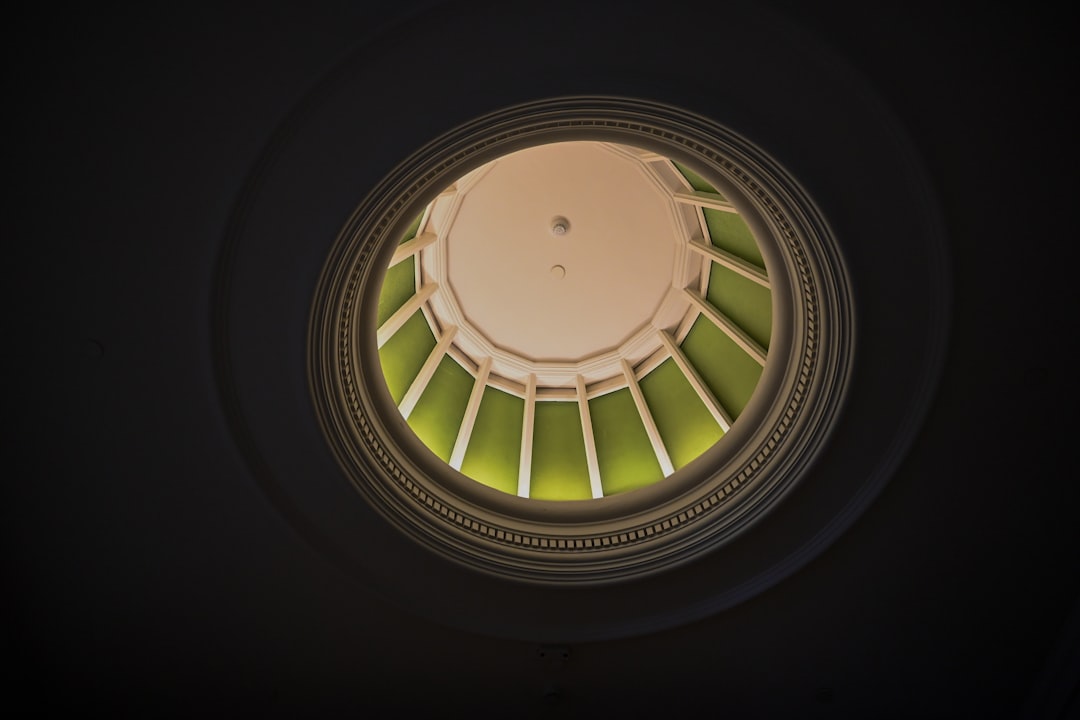
Efficient low profile ceiling lighting solutions offer a practical approach to illuminating spaces while minimizing visual intrusion. Their ability to integrate seamlessly into architectural designs, coupled with advancements in energy-efficient technology, makes them a valuable choice for both residential and commercial applications. The primary appeal lies in their understated presence, allowing the function of lighting to take precedence over the form of the fixture itself. This approach is akin to a well-tuned orchestra, where each instrument plays its part without drawing undue attention, contributing to a harmonious overall experience.
Low profile ceiling lights Buyance are characterized by their shallow depth, meaning they do not protrude significantly from the ceiling surface. This design is a departure from traditional bulky fixtures and allows for a more minimalist aesthetic. The evolution of lighting technology has been instrumental in enabling this reduction in profile, as components have become smaller and more heat-efficient.
Defining Low Profile
The term “low profile” refers to the physical dimension of the lighting fixture. Generally, a fixture is considered low profile if its height from the ceiling surface is minimal. This can range from a few centimeters to perhaps ten centimeters, depending on the specific type of fixture and its intended application. This characteristic is particularly important in spaces with limited ceiling height, where traditional recessed cans or pendant lights might otherwise create a feeling of oppression.
Distinguishing from Other Ceiling Lights
Several categories of ceiling lights exist, and it is important to differentiate low profile solutions from them.
Recessed Lighting (Pot Lights)
Recessed lighting, often referred to as “pot lights,” are installed within the ceiling cavity, with only the trim and light source visible. While some recessed lights can have a relatively low profile trim, the overall housing occupies significant space within the ceiling. Low profile solutions often achieve a similar visual effect but may require less ceiling depth or utilize different mounting mechanisms. The distinction lies in how much of the fixture is concealed.
Surface-Mounted Fixtures
Surface-mounted lights are attached directly to the ceiling surface. These often have a more pronounced profile, as the entire fixture is exposed. Low profile solutions, in contrast, aim to minimize this protrusion, achieving a cleaner and less obtrusive look. Think of it as the difference between a decorative mounted sculpture and a precisely placed inlaid tile.
Pendant and Chandelier Lights
These fixtures hang from the ceiling, often intentionally drawing attention with their design. By definition, they are not low profile, as their primary characteristic is their suspension and often considerable visual presence.
The Role of Design and Aesthetics
Low profile lighting prioritizes form following function. The design is deliberately unobtrusive, allowing the illuminated space to be the focus. This aligns with modern interior design trends that favor clean lines and minimalist aesthetics. The absence of visually dominant fixtures can create a sense of spaciousness and airiness, making rooms feel larger and more open.
Minimalism and Modern Design
In minimalist interiors, where simplicity and restraint are paramount, low profile lighting is a natural fit. It avoids clutter and visual noise, contributing to a serene and uncluttered atmosphere. This is akin to a blank canvas, upon which the light itself paints the scene.
Architectural Integration
The shallow depth of low profile lights facilitates their integration into various ceiling types, including suspended ceilings, drywall, and even some soffit installations. This adaptability makes them versatile across different architectural styles and construction methods.
Advancements in Efficient Lighting Technology
The development of energy-efficient light sources has been a critical enabler of low profile ceiling solutions. Without these advancements, achieving both low profile and sufficient illumination would be a significant challenge.
Light Emitting Diodes (LEDs)
LEDs have revolutionized lighting. Their compact size, low heat output, and exceptional energy efficiency are perfectly suited for low profile applications.
Energy Savings
LEDs consume significantly less electricity than incandescent or halogen bulbs, leading to reduced energy bills. This is a tangible benefit that translates directly to cost savings over the lifespan of the fixture. Consider them the marathon runners of the lighting world, covering vast distances with minimal energy expenditure.
Longevity
LEDs have an exceptionally long lifespan, often tens of thousands of hours. This reduces the need for frequent bulb replacements, saving on both material costs and labor. This extended lifespan contributes to lower maintenance requirements and a more sustainable lighting solution.
Reduced Heat Emission
Unlike older lighting technologies that generate substantial heat, LEDs produce very little. This is crucial for low profile fixtures, as excessive heat within a confined ceiling space can lead to premature component failure and potential safety hazards. This characteristic allows for closer placement to sensitive building materials.
Compact Fluorescent Lamps (CFLs)
While LEDs have largely surpassed them, CFLs were an early step towards energy efficiency and offered a more compact alternative to incandescent bulbs. Some early low profile fixtures utilized CFL technology, although they often had limitations in terms of instant-on capabilities and dimming options compared to modern LEDs.
Smart Lighting Integration
The modern landscape of lighting includes smart technologies that further enhance efficiency and user control. Many low profile fixtures now incorporate smart capabilities.
Dimmability and Control
The ability to dim lights is essential for creating different ambiances and further reducing energy consumption when full brightness is not required. Low profile LED fixtures often offer excellent dimming performance, seamlessly integrating with smart home systems.
Color Temperature Adjustment
The ability to adjust the color temperature of the light (from warm, cozy tones to cool, crisp white) allows for greater customization of the illuminated environment. This can impact mood and productivity.
Occupancy Sensors and Timers
Incorporating occupancy sensors can ensure lights are only on when a space is in use, while timers can automate lighting schedules, optimizing energy usage. These features act as intelligent gatekeepers of light.
Types of Low Profile Ceiling Lighting Solutions
A variety of solutions are available, each suited to different needs and installation contexts. The choice often depends on the desired light distribution, aesthetic considerations, and the specific ceiling construction.
Integrated LED Panels
These fixtures feature a flat panel design with built-in LEDs. They offer a uniform light output and a sleek, modern appearance.
Slim Flat Panels
These are among the thinnest options, often measuring just a few centimeters in depth. They are ideal for situations where minimal ceiling penetration is desired. Their widespread illumination makes them equitable distribution.
Edge-Lit vs. Direct-Lit Panels
- Edge-lit panels use an array of LEDs along the edges of the panel, with light guided to the center by a diffuser. This technology allows for extremely slim profiles but can sometimes result in slight light variations.
- Direct-lit panels have LEDs positioned directly behind the diffuser. These tend to be slightly thicker but offer more uniform light distribution and better efficiency.
Applications for Panels
Slim LED panels are commonly found in offices, retail spaces, conference rooms, and modern residential interiors. Their clean aesthetic and even light distribution make them suitable for task lighting and general illumination.
Low Profile Recessed Downlights
While traditional recessed lights can have significant housings, some manufacturers offer “low profile” or “minimalist” recessed downlights designed for shallower ceiling spaces.
Gimbal and Swivel Options
Some low profile recessed lights offer adjustable heads (gimbals or swivels), allowing the beam of light to be directed. This provides flexibility in accentuating specific areas or objects.
Shallow Can or Housingless Designs
Newer designs may feature very shallow housings or even “housingless” versions that rely on clips to secure the trim and light engine directly to the ceiling material, minimizing the need for deep ceiling cavities. This liberates them from the constraints of deep voids.
Considerations for Installation
These fixtures require a cut-out in the ceiling and a small junction box or wiring compartment. The minimum ceiling depth required will vary by model.
Surface-Mounted Low Profile Fixtures
While not entirely recessed, some surface-mounted fixtures are designed to be exceptionally shallow and visually unobtrusive.
Round or Square Flush Mounts
These are common in hallways, closets, and secondary living areas. They are installed directly onto the ceiling surface and are designed to sit flush, minimizing protrusion.
Linear Surface Mounts
Long, slender fixtures that can be mounted along walls or ceilings to provide continuous illumination. Their low profile ensures they do not dominate the space.
Ease of Installation
These fixtures are generally easier to install than recessed options, as they do not require cutting into the ceiling structure. They are like a sophisticated decal, adhering to the surface with minimal intrusion.
Cove Lighting and Indirect Lighting
While not a single fixture type, cove lighting and other indirect lighting techniques utilize low profile fixtures strategically placed to wash walls or ceilings with light.
Concealed Fixture Design
The light sources themselves are hidden within coves, recesses, or behind architectural elements, making the fixture invisible and the light source seemingly emanating from the architecture itself. This creates a diffusion of light, much like moonlight softening a landscape.
LED Strips and Channels
Flexible LED strips, often housed within aluminum channels, are commonly used for cove lighting. These channels can be incredibly shallow and are easily integrated into ceiling coving or other architectural details.
Ambiance and Diffusion
This method provides soft, diffuse, and glare-free illumination, which is excellent for creating ambiance and reducing harsh shadows.
Benefits of Choosing Efficient Low Profile Solutions
The advantages of opting for these lighting solutions extend beyond mere aesthetics. They encompass practical, economic, and environmental considerations.
Space Optimization and Versatility
The primary benefit is their ability to maximize usable ceiling height and create a sense of spaciousness.
Ideal for Low Ceilings
In rooms with limited headroom, traditional lighting fixtures can feel overwhelming. Low profile solutions alleviate this, making spaces feel more open and comfortable.
Adaptability to Various Rooms
From small bathrooms and kitchens to spacious living rooms and commercial corridors, low profile lighting can be tailored to suit the needs and scale of any environment.
Integration with Other Systems
Their unobtrusive nature allows them to be seamlessly integrated with HVAC vents, smoke detectors, and other ceiling-mounted systems without creating visual conflict.
Energy Efficiency and Cost Savings
As discussed, the use of LED technology is paramount to the “efficient” aspect of these solutions.
Reduced Electricity Consumption
Lower wattage requirements translate directly to lower energy bills. Over the lifespan of the fixtures, these savings can be substantial, acting as a consistent dividend.
Lower Maintenance Costs
The long lifespan of LEDs significantly reduces the frequency of bulb replacements, saving on both the cost of bulbs and the labor involved.
Environmental Impact
Lower energy consumption contributes to a reduced carbon footprint, making these solutions a more environmentally responsible choice.
Enhanced Aesthetics and Design Flexibility
The minimalist nature of low profile lighting offers significant advantages for interior design.
Clean and Uncluttered Look
They contribute to a modern, minimalist aesthetic by minimizing visual clutter on the ceiling.
Focus on the Interior Space
By receding into the background, these lights allow the architecture and furnishings of the room to take center stage.
Minimizing Glare and Eye Strain
When properly designed and installed, low profile solutions can provide even, diffuse light that minimizes glare and discomfort, leading to a more pleasant visual experience.
Installation and Maintenance Considerations
While low profile lighting generally offers straightforward installation, certain factors are important to consider to ensure optimal performance and longevity.
Ceiling Type and Structure
The type of ceiling material and its structural integrity will influence the choice of fixture and the installation method.
Drywall Ceilings
These are the most common and offer the greatest flexibility for recessed fixtures with appropriate support structures.
Suspended (Drop) Ceilings
Many low profile LED panels are designed to easily fit into standard grid systems for suspended ceilings, offering a clean and uniform look.
Plaster or Wood Ceilings
These may require different mounting hardware and potentially more careful cutting to avoid damage.
Electrical Requirements and Compatibility
Understanding the electrical load and ensuring compatibility with existing wiring is crucial.
Voltage and Amperage
fixtures operate on standard household voltages (e.g., 120V in North America, 230V in Europe), but it’s essential to match the fixture’s requirements to the circuit.
Dimmer Switch Compatibility
If dimmable fixtures are chosen, ensure the dimmer switch is compatible with LED technology. Using an incompatible dimmer can lead to flickering or poor performance.
Wiring and Junction Boxes
Recessed fixtures require a suitable junction box for secure wiring. Low profile designs often have integrated or compact junction boxes.
Ventilation and Heat Dissipation
Even with efficient LEDs, some heat is generated, and proper ventilation is important, especially within confined ceiling spaces.
Airflow Around Fixtures
Ensure there is adequate airflow around the fixture to prevent heat buildup and premature failure of electronic components. Consult manufacturer specifications for clearance requirements.
Insulation Proximity
Be mindful of insulation. Some low profile fixtures are rated for “IC” (Insulation Contact) installation, meaning they can be in direct contact with building insulation. Others require a clearance from insulation.
Maintenance and Cleaning
Low profile lighting generally requires minimal maintenance.
Cleaning Diffusers and Housings
Periodically, the exterior of the fixtures may need cleaning with a soft, damp cloth to remove dust or grime.
LED Lifespan
The primary benefit is the longevity of LEDs, minimizing the need for replacements. When a fixture does eventually fail, it typically involves replacing the entire unit rather than individual bulbs.
Selecting the Right Solution for Your Space
Choosing the most appropriate low profile ceiling lighting solution involves a systematic evaluation of your specific needs and the characteristics of the space to be illuminated.
Assessing Your Lighting Needs
Determine the primary function of the lighting in each area.
General Illumination
For overall ambient light in living areas, kitchens, or hallways, consider wide-beam spread fixtures like LED panels or flush mounts.
Task Lighting
In areas where detailed work is performed, such as kitchens or home offices, directional downlights or linear fixtures may be more suitable to provide focused illumination.
Accent Lighting
To highlight architectural features or artwork, adjustable recessed downlights or strategically placed LED strips in coves can be employed.
Considering Aesthetic Preferences
The visual impact of the lighting should complement the overall design of the room.
Minimalist vs. Integrated Look
Decide whether you prefer a fixture that is virtually invisible (integrated panels, cove lighting) or a subtle, unobtrusive surface-mounted option.
Uniformity vs. Spotlighting
Consider the desired light distribution – a uniform, even light for general illumination or more focused beams for specific purposes.
Budgetary Allocations
The cost of low profile lighting solutions can vary significantly based on features, brand, and the complexity of the installation.
Initial Investment
Recessed and integrated LED panels may have a higher upfront cost than basic surface-mounted fixtures.
Long-Term Savings
Factor in the energy savings and reduced maintenance costs associated with efficient LED technology. This can often offset a higher initial investment over time.
Professional Installation Costs
If professional installation is required, obtain quotes to factor into the overall budget.
Manufacturer Reputation and Warranty
Choosing reputable manufacturers and understanding warranty information is important for peace of mind.
Quality of Components
Look for fixtures made with high-quality LEDs and drivers to ensure performance and longevity.
Warranty Coverage
A good warranty provides protection against premature failure and demonstrates the manufacturer’s confidence in their product.
By carefully considering these factors, you can effectively select efficient low profile ceiling lighting solutions that not only illuminate your space but also enhance its functionality and aesthetic appeal, acting as silent illuminators rather than demanding centerpieces.