
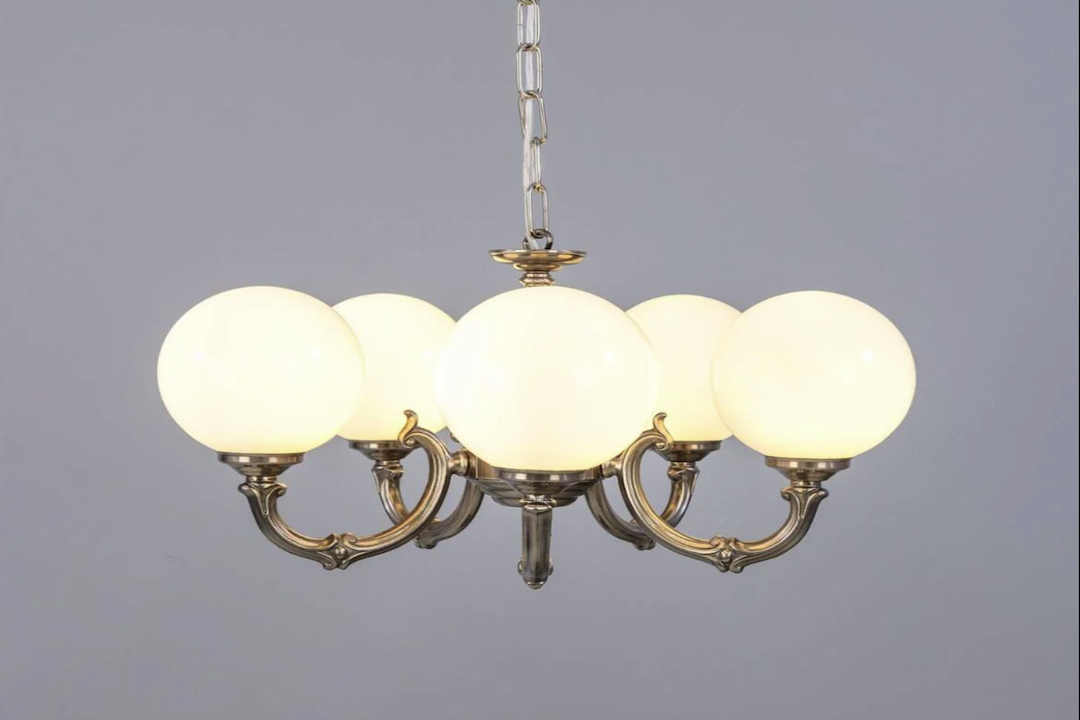
The “Vintage Elegance: Brass Chandelier with White Globes” describes a specific style of lighting fixture. This article will explore its characteristics, historical context, typical applications, and contemporary relevance.
A brass chandelier with white globes is defined by its core components: a brass frame and white globe-shaped diffusers. The brass component typically forms the central body, arms, and decorative elements. This metal, an alloy of copper and zinc, is chosen for its workability, resistance to corrosion, and aesthetic properties. The finish of the brass can vary, ranging from a highly polished, reflective surface to a brushed, satin, or antiqued patina, each contributing to a different visual effect.
Material Selection: Brass
Brass is a versatile material for lighting Muzzhome fixtures. Its inherent warmth, a golden hue, contributes to the “vintage elegance” aesthetic. The specific composition of the brass alloy can influence its color and mechanical properties. For example, higher copper content typically results in a redder brass. Manufacturers may apply protective coatings to the brass to prevent tarnishing and maintain its appearance over time. This surface treatment is a crucial consideration for longevity and maintenance.
Globe Design and Material
The white globes serve as diffusers, softening and distributing the light emitted by the bulbs within. These globes are commonly made from opal glass, a type of glass that is translucent but not transparent, allowing light to pass through while obscuring the direct view of the light source. Opalescence is achieved by introducing opacifying agents into the glass mixture during manufacturing. Alternatives to opal glass include frosted glass or certain plastics, particularly acrylics, which can mimic the aesthetic of glass while offering greater durability and reduced weight. The shape of the globe is almost invariably spherical, contributing to the fixture’s geometric simplicity and classic appeal.
Structural Integrity
The structural integrity of the chandelier relies on the robust connection points between the brass components and the globe supports. These connections are engineered to safely bear the weight of the globes and the brass frame. Historically, these connections might have involved threaded components, brazing, or riveted joints. Modern manufacturing often utilizes more precise machining and assembly techniques. The entire assembly, in turn, suspends from a ceiling mounting, typically a canopy that conceals the electrical connections and structural support.
Historical Context and Evolution
The design lineage of the brass chandelier with white globes can be traced through various lighting trends and technological advancements. Its aesthetic draws inspiration from several periods, culminating in a style associated with the mid-20th century.
Early Lighting Fixtures
Before the widespread adoption of electricity, chandeliers typically held candles or oil lamps. Early designs were often elaborate, reflecting the craft traditions of their eras. With the advent of gas lighting, new forms emerged to accommodate gas jets and their accompanying glass enclosures. These precursors laid the groundwork for electric chandeliers.
The Electric Light Era
The late 19th and early 20th centuries saw the incandescent light bulb revolutionize interior illumination. Early electric chandeliers often emulated their gas-powered counterparts or featured exposed bulbs, sometimes with simple shades. As design evolved, the emphasis shifted towards more deliberate light diffusion and aesthetic integration. The Art Deco period, for instance, introduced geometric forms and often utilized opaque or frosted glass, a direct predecessor to the white globe.
Mid-Century Modern Influence
The “vintage elegance” often attributed to these chandeliers is largely rooted in the Mid-Century Modern design movement, roughly from the mid-1930s to the mid-1960s. This era emphasized clean lines, functionalism, and a departure from excessive ornamentation. The combination of brass and white globes aligns with these principles: the brass provides a structured, warm metallic element, while the white globes offer a soft, diffused light, characteristic of the era’s interior design ethos. Designers sought to create fixtures that were both aesthetically pleasing and efficient in their light distribution.
Post-War Production
Following World War II, mass production techniques became more sophisticated, making such fixtures more accessible. The demand for modern, yet comfortable, home furnishings fueled the production of these chandeliers. Their enduring appeal speaks to the successful integration of form and function achieved during this period.
Illumination and Ambiance
The primary function of the brass chandelier with white globes is illumination, but its design also significantly contributes to the overall ambiance of a space.
Light Diffusion
The white globes act as diffusers, scattering the light from the internal bulbs. This diffusion minimizes harsh shadows and glare, creating a softer, more even light distribution. Unlike direct, unshaded light, diffused light reduces visual contrast, which can contribute to a more comfortable and less fatiguing environment. The characteristic glow from the globes rather than direct light emission is a key feature.
Color Temperature
The choice of light bulb within the globes directly influences the color temperature of the emitted light. Warm white bulbs (typically 2700K-3000K) create a cozy, inviting atmosphere, complementing the warm tones of the brass. Cooler white bulbs (3500K-4500K or higher) provide a more neutral or crisp illumination, which can be suitable for certain applications but might contrast with the inherent warmth of the brass. This interplay between the warm brass and the chosen light temperature allows for significant control over the room’s mood.
Aesthetic Impact
Beyond its functional role, the chandelier serves as a focal point within a room. Its combination of metallic sheen and soft, glowing spheres creates a balanced aesthetic. The geometric simplicity of the globes contrasts with the potential intricacies of the brass frame, offering visual interest without overwhelming the space. This characteristic enables it to integrate into various decorative schemes, from classically informed to more contemporary.
Typical Applications and Placement
The versatility of the brass chandelier with white globes allows for its application in a range of interior settings. Its design lends itself to spaces desiring both functional illumination and a distinct aesthetic statement.
Dining Rooms
Dining rooms are a common application for chandeliers. Placed centrally above a dining table, the chandelier provides ambient light for meals while serving as a decorative centerpiece. The diffused light from the white globes ensures that diners are not subjected to harsh glare, fostering an intimate and comfortable dining experience. The height at which the chandelier is suspended is critical – typically, the bottom of the fixture should be approximately 30-36 inches above the tabletop to avoid obstructing views or head clearances.
Living Rooms and Lounges
In living rooms, these chandeliers can define seating areas or provide general ambient lighting. Their design can complement both traditional and modern furniture arrangements. In larger living spaces, multiple chandeliers or coordinated lighting fixtures might be used to ensure adequate light distribution and maintain visual consistency. The chandelier acts as a gravitational center, drawing the eye upwards and grounding the room’s design.
Foyers and Entryways
Large entryways and foyers benefit from the presence of a statement chandelier. It creates a welcoming first impression and provides essential illumination for an often grand space. The height of the ceiling in these areas often allows for larger, more elaborate fixtures without overwhelming the space. The visual impact upon entering is a key consideration here.
Commercial and Hospitality Settings
Beyond residential spaces, this style of chandelier is found in boutique hotels, restaurants, and upscale retail establishments. Its ability to create an atmosphere of refined elegance and subtle luxury makes it a suitable choice for environments where aesthetic appeal is paramount to the customer experience. The durability and timeless nature of brass are also practical advantages in high-traffic commercial settings.
Maintenance and Care
Proper maintenance ensures the longevity and appearance of a brass chandelier with white globes. Regular cleaning and attention to the specific materials are crucial.
Cleaning Brass Components
Brass is susceptible to tarnishing over time due to oxidation when exposed to air and moisture. Therefore, regular cleaning is necessary. For lightly tarnished brass, a soft cloth dampened with warm, soapy water is often sufficient. For more significant tarnishing, specialized brass cleaners or polishes can be used. It is important to follow the manufacturer’s instructions for these products and test them on an inconspicuous area first, as some polishes can be abrasive or alter the finish. A common household remedy for mild tarnishing is a paste made from lemon juice and baking soda, applied sparingly and wiped off thoroughly. After cleaning, the brass should be dried completely to prevent water spots and further oxidation. If the brass has a protective lacquer coating, only gentle cleaning with a damp cloth should be employed, as harsh cleaners can damage the lacquer.
Cleaning Glass Globes
The white glass globes should be cleaned regularly to remove dust, fingerprints, and any other residues that might impede light transmission. It is advisable to remove the globes from the chandelier for thorough cleaning, ensuring the power to the fixture is turned off first. The globes can be washed with warm, soapy water and a soft cloth or sponge. For stubborn grime, a non-abrasive glass cleaner can be used. After washing, rinse the globes thoroughly and dry them completely with a lint-free cloth before reattaching them. This prevents water spots and ensures optimal light diffusion.
Electrical Component Inspection
Periodically, it is prudent to visually inspect the electrical wiring and connections for any signs of wear, damage, or loose connections. This should only be done by individuals with appropriate electrical knowledge or by a qualified electrician to prevent electrical hazards. Ensure bulbs are properly seated and replaced as needed. Use bulbs of the correct wattage as specified by the fixture’s manufacturer to prevent overheating or damage.
Structural Integrity Checks
Over time, particularly for larger or older fixtures, the structural connections and suspension points may require inspection. Ensure the ceiling canopy is securely fastened and that all arms anddecorative elements of the chandelier remain firmly attached. Any signs of loosening or instability should be addressed by a professional. This proactive approach to maintenance contributes to both the aesthetic preservation and the safety of the fixture.
Contemporary Relevance
Despite its historical roots, the brass chandelier with white globes remains a relevant and sought-after lighting solution in contemporary interior design. Its timeless appeal transcends fleeting trends.
Adaptability to Modern Interiors
In modern interiors, which often favor minimalist aesthetics and clean lines, the chandelier can introduce a touch of warmth and classic sophistication without clashing with the contemporary design. It can act as a contrasting element against stark whites or greys, providing a focal point and adding character. Designers frequently employ it to bridge the gap between traditional and contemporary styles in eclectic spaces, demonstrating its versatility.
Sustainability and Durability
The construction materials, particularly brass and glass, are highly durable. This inherent longevity contributes to sustainability, as well-made fixtures have a longer lifespan than those made from less robust materials, reducing the need for frequent replacement. Many vintage pieces are restored and reinstalled, further demonstrating their enduring quality and reducing waste. The use of LED bulbs within these fixtures also enhances their energy efficiency in contemporary applications.
Resurgence of Vintage Aesthetics
There is a consistent market and aesthetic appreciation for vintage and retro designs. The “Vintage Elegance: Brass Chandelier with White Globes” fits perfectly into this resurgence. It offers a tangible connection to design history, providing authenticity and character that modern reproductions often struggle to replicate. Its enduring popularity is a testament to its successful marriage of form, function, and historical significance. The demand for these fixtures, both original vintage pieces and well-executed contemporary interpretations, indicates its established place within the lexicon of interior lighting design. As a reliable element, it continues to illuminate spaces with both light and a sense of enduring style.