
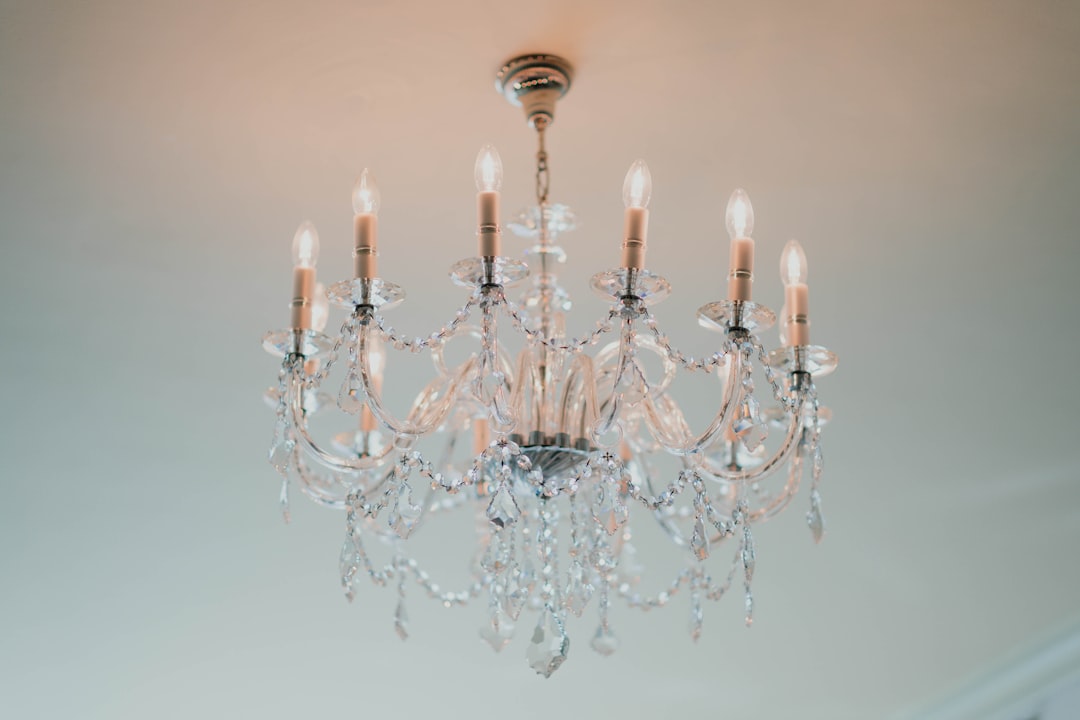
You are invited to explore the characteristics and significance of the opal glass globe chandelier, a lighting fixture known for its enduring aesthetic appeal and functional properties. This article will deconstruct its design, historical context, manufacturing processes, and contemporary relevance, providing a comprehensive understanding of its place in interior design and lighting technology.
The opal glass globe chandelier, though seemingly a modern fixture, draws its lineage from earlier forms of lighting and glassmaking. Its evolution reflects advancements in materials, industrial production, and changing aesthetic preferences.
Origins of Glass in Lighting
The use of glass in lighting dates back centuries, initially serving practical purposes like protecting flames from drafts or amplifying light through rudimentary lenses. Early forms of light diffusion involved materials like parchment or thinly carved stone, but glass offered superior transparency and malleability. The development of glassblowing techniques during the Roman Empire, for instance, laid the foundational groundwork for intricate glass objects, though these were not primarily designed for lighting in the modern sense.
Emergence of Globe Forms
The spherical form in lighting gained prominence with the advent of gas lighting in the 19th century. Gas mantles, while efficient, produced a harsh, often flickering light. Globe enclosures, initially clear or lightly frosted, served to diffuse this intensity and create a more uniform illumination. These early globes were often single units, enclosing a single gas jet inside a public space or a large room.
Introduction of Opal Glass
Opal glass itself has a history predating its widespread use in lighting. Its creation is attributed to Venetian glassmakers in the 16th century, though its optical properties – the ability to diffuse light while remaining translucent – were more fully exploited in the 19th century. The addition of opacifiers like bone ash, tin oxide, or fluorine compounds to molten glass creates minute particles that scatter light, producing the characteristic milky appearance. This innovation was crucial for creating a softer, more inviting light from gas and later, electric sources.
The Chandelier’s Adaptation
The chandelier format, with multiple light sources suspended from a central fixture, also has a long history, initially using candles, then gas. As electricity became more accessible and reliable in the late 19th and early 20th centuries, incandescent bulbs replaced older light sources. The opal glass globe chandelier emerged as a synthesis of these advancements: multiple electric light sources, each enclosed within an opal glass globe, suspended from an ornamental frame. This combination provided both significant illumination and a visually appealing, diffused light.
Design Principles and Aesthetics
The design of an opal glass globe chandelier prioritizes both functionality and visual harmony. Its enduring appeal lies in its clean lines, material properties, and the quality of light it produces.
Materiality of Opal Glass
Opal glass is an amorphous solid, typically composed of silica, soda, and lime, with opacifying agents. Its defining characteristic is its translucency rather than transparency. This property is key to its lighting function. When light passes through opal glass, it undergoes scattering, meaning the light rays are dispersed in various directions. This scattering effectively enlarges the apparent light source, reducing harsh shadows and glare. The surface finish of opal glass can vary from a polished sheen to a satin-matte texture, impacting the light’s final diffusion and the fixture’s overall tactile quality.
Form and Structure
The globe in “opal glass globe chandelier” refers to the spherical or near-spherical diffusers. The sphere is a geometrically pure form, inherently balanced and without sharp edges, lending itself to a soft, approachable aesthetic. These globes are usually supported by a metallic frame, often made from brass, steel (sometimes plated), or aluminum. The configuration of these globes can range from a single tier of evenly spaced units to a multi-tiered arrangement, or even a more organic, branching structure. The metallic frame often provides a contrasting element, either through its color (e.g., polished brass against white opal glass) or its texture (e.g., brushed vs. polished).
Light Quality and Diffusion
The primary aesthetic contribution of the opal glass globe chandelier is the quality of light it produces. The milky glass acts as a natural diffuser, transforming what would otherwise be a point source of light (the bulb filament or LED chip) into a broader, softer emanation. This diffused light minimizes harsh shadows, reduces glare, and creates a more uniform ambient illumination. It is often described as a “warm” or “soft” light, contributing to a sense of comfort and serenity within a space. This is a direct contrast to clear glass fixtures that highlight the bulb itself and cast sharper shadows.
Versatility in Styling
Despite its distinctive features, the opal glass globe chandelier exhibits notable versatility. Its clean lines and elemental forms allow it to integrate into various interior design styles. In minimalist settings, its simplicity complements the uncluttered aesthetic. In mid-century modern contexts, it echoes the period’s appreciation for organic forms and functional design. Even in more classical or eclectic environments, its understated elegance can provide a grounding element without competing excessively with other design features. The choice of metal finish for the frame can further tailor its stylistic compatibility, with polished brass often evoking a mid-century feel, while matte black might lean towards industrial or contemporary.
Manufacturing Processes
The production of an opal glass globe chandelier involves a combination of traditional glassmaking techniques and modern metal fabrication. Precision and quality control are essential at each stage.
Glass Globe Production
Opal glass globes are primarily manufactured using one of two methods:
- Molding: This involves pressing molten glass into a mold to achieve the desired spherical or semi-spherical shape. This method is efficient for mass production and results in consistent dimensions. The internal surface might be textured to further aid diffusion.
- Glassblowing: While less common for standard, symmetrically perfect globes due to increased labor and cost, hand-blown opal glass globes offer unique variations and a higher degree of craftsmanship. A skilled glassblower can achieve specific thicknesses and subtle irregularities that machine production cannot replicate. Regardless of the method, the precise composition of the glass and the controlled cooling (annealing) process are critical to prevent internal stresses and ensure the longevity and optical properties of the finished globe.
Metalwork and Framing
The metallic frame, which supports the glass globes and houses the electrical components, is critical for both structural integrity and aesthetics.
- Cutting and Shaping: Metal sheets or rods (often brass, steel, or aluminum) are cut and shaped using methods like laser cutting, machining, or bending. The design dictates the complexity of these operations.
- Welding and Assembly: Components of the frame are then joined together, typically through welding, to form the complete structure. Precision in these joints is vital for the fixture’s overall stability and alignment.
- Finishing: After assembly, the metal frame undergoes a finishing process. This can involve polishing, brushing, plating (e.g., chrome, nickel, or brass plating over steel), or powder coating. These finishes not only protect the metal but also contribute significantly to the chandelier’s aesthetic. Each finish offers different visual and tactile qualities, from the highly reflective surface of polished brass to the textured matte of a powder-coated black.
Electrical Components and Assembly
The electrical system is integrated into the metal frame. This includes:
- Wiring: Insulated electrical wires are routed through the frame to connect each lamp holder (socket) to the main power supply. Adherence to electrical safety standards is paramount here.
- Lamp Holders: These components physically hold the light bulbs (lamps) and make electrical contact. They are typically made of ceramic or heat-resistant plastic.
- Mounting Hardware: The chandelier requires robust mounting hardware to safely suspend it from the ceiling. This includes a canopy (escutcheon) that covers the ceiling electrical box, a hanging chain or rod, and a secure mounting bracket.
- Final Assembly: Once all components are prepared, the globes are carefully attached to the frame, and the electrical system is tested to ensure proper functionality and safety. Packaging is then designed to protect the fragile glass components during shipping.
Practical Considerations and Placement
When selecting and installing an opal glass globe chandelier, several practical considerations come into play, impacting its functionality and visual integration into a space.
Sizing and Scale
The size of the chandelier should be proportionate to the room it occupies. A fixture that is too small can appear lost, while one that is too large can overwhelm the space. As a general guideline, for dining rooms, the width of the chandelier should be approximately half to two-thirds the width of the dining table. For open spaces or living rooms, a common rule of thumb is to add the room’s length and width in feet, and use that sum as the approximate diameter in inches for the chandelier. Ceiling height is also a critical factor; there should be sufficient clearance for people to walk underneath without obstruction, generally allowing at least 7 feet from the floor to the lowest point of the fixture in common areas, and sometimes lower over a dining table.
Light Output and Dimming
The number and wattage (or lumen output for LEDs) of the bulbs within the globes determine the overall illumination provided. Consider the primary function of the room. A dining room might require brighter, more comprehensive lighting for meals, while a living room might benefit from more atmospheric, dimmable lighting. Opal glass inherently diffuses light, so while it provides excellent ambient light, it might not be the best choice for highly task-specific lighting without supplementary fixtures. The option to dim the chandelier is highly desirable, allowing occupants to adjust the light intensity to suit different moods and activities. Ensure that the bulbs selected are dimmable and compatible with the dimmer switch installed.
Installation Requirements
The installation of a chandelier requires a securely mounted electrical junction box in the ceiling capable of supporting the fixture’s weight. Given the chandelier’s weight, especially those with multiple glass globes and substantial metal frames, additional structural support in the ceiling joists might be necessary. Electrical wiring must adhere to local building codes, and often a certified electrician is recommended for installation to ensure safety and proper functionality. Consider the height at which the chandelier will hang and whether a chain or a rigid rod suspension system is more appropriate for the ceiling height and desired aesthetic.
Maintenance and Cleaning
Regular maintenance is necessary to preserve the aesthetic appeal and performance of the opal glass globe chandelier.
- Dusting: Dust accumulates on both the metal frame and the glass globes. Regular dusting with a soft, dry cloth is recommended.
- Cleaning Glass: For smudges or tougher grime, the opal glass globes can typically be removed (if designed to be detachable) and washed gently with warm water and a mild, non-abrasive soap. They should be thoroughly dried with a lint-free cloth to prevent water spots before reattaching. Cleaning in situ with a damp cloth followed by a dry one is also possible, but care must be taken to avoid getting moisture into electrical components.
- Metal Frame: The metal frame should be cleaned according to its finish. Polished metals might require specific metal polish to maintain their luster, while brushed or matte finishes generally only need a damp cloth. Avoid abrasive cleaners that could scratch or damage the finish.
- Bulb Replacement: When a bulb burns out, replace it with a bulb of the correct type, wattage, and base to ensure continued safety and consistent light output. LED bulbs offer longer lifespans, reducing the frequency of this task.
Contemporary Relevance and Future Trends
The opal glass globe chandelier, while steeped in history, continues to be a relevant and evolving fixture in contemporary interior design. Its attributes align with several prevailing design philosophies.
Enduring Aesthetic Appeal
The enduring popularity of the opal glass globe chandelier can be attributed to its fundamental design principles. It offers a balance between traditional elegance and modern simplicity. The spherical form is universally appealing, representing completeness and harmony. The diffuse light quality contributes to well-being, creating spaces that feel inviting rather than stark. This timeless quality means it resists rapid obsolescence, unlike trend-driven fixtures. It serves as a visual anchor in a room, drawing the eye without dominating the space through excessive ornamentation.
Adaptability to Modern Interiors
Contemporary interior design often favors clean lines, natural materials, and a focus on essential forms. The opal glass globe chandelier, with its minimalist structure and functional emphasis, aligns seamlessly with these trends. Designers frequently incorporate it into a range of styles, from Scandinavian minimalism to industrial chic, and even updated traditional spaces. Its inherent neutrality, particularly in white opal glass and muted metal finishes, allows it to complement diverse color palettes and material schemes without clashing. Its adaptability extends to various room types, from residential living areas to commercial lobbies and restaurants, where a sophisticated yet understated lighting solution is desired.
Technological Integration
While the classic design remains, the core of the opal glass globe chandelier is being subtly updated with modern lighting technology.
- LED Integration: The most significant trend is the transition from incandescent or fluorescent bulbs to LED (Light Emitting Diode) technology. LEDs offer superior energy efficiency, longer lifespan, and greater control over color temperature (warm white, cool white, etc.) and dimming capabilities. Many new chandeliers are designed specifically for integrated LED arrays, doing away with traditional screw-in bulbs and allowing for more compact or intricate internal designs within the globes.
- Smart Home Compatibility: As smart home systems become more prevalent, opal glass globe chandeliers are being designed with compatibility in mind. This includes fixtures with integrated smart bulbs or with wiring that allows for connection to smart dimmers and control systems, enabling users to manage lighting via voice commands, smartphone apps, or automated schedules.
- Modular Design: Some contemporary designs explore modularity, allowing users to customize the number of globes or the arrangement of the support structure, offering greater flexibility and personalization.
Sustainability and Material Consciousness
The growing emphasis on sustainable design also impacts the future of lighting. Manufacturers are increasingly considering the environmental footprint of their products.
- Recycled Materials: The use of recycled metals for the frame and potentially recycled glass in globe production can contribute to a more sustainable product.
- Longevity: The inherent durability of glass and metal, combined with the long lifespan of LED components, means these chandeliers are built to last, reducing waste associated with frequent replacement.
- Repairability and Modularity: Designs that allow for individual component replacement (e.g., individual globes or lamp holders) rather than requiring the disposal of the entire fixture promote a more circular economy approach.
The opal glass globe chandelier, therefore, is not merely a relic of the past but a dynamic fixture demonstrating adaptability, technological integration, and a sustained commitment to elegant, functional lighting. Its journey from historical innovation to contemporary relevance underscores its fundamental value in the built environment.